
QR Code

Products
Contact Us


E-mail

Address
No. 568, Yanqing First Class Road, Jimo High-tech Zone, Qingdao City, Shandong Province, China


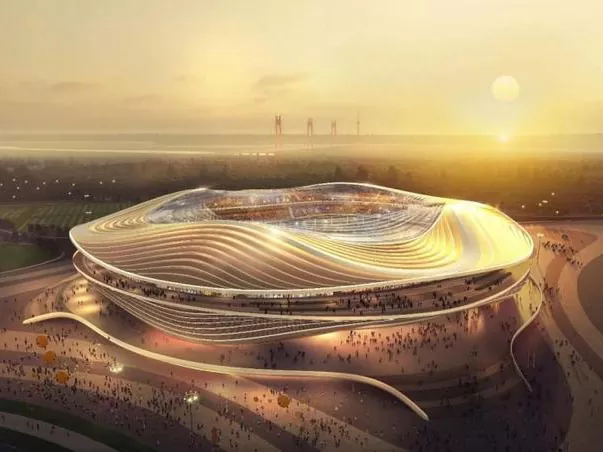
Abstract: A modern Steel Structure Stadium isn’t just “a big roof on columns.” It’s a construction strategy that helps owners and developers control schedule risk, reduce structural weight, achieve long clear spans, and keep future expansion realistic. This article breaks down the most common stadium pain points—delays, cost surprises, complex coordination, safety and compliance pressure, uncomfortable spectator zones, and long-term maintenance—and shows how a steel structural system addresses them through prefabrication, modular detailing, and predictable site assembly. You’ll also get a practical checklist for planning, a comparison table of structural options, and an FAQ written for people who need answers fast.
Stadium projects look glamorous in renderings, but in real life they’re high-risk: wide spans, heavy roof loads, tight tolerances, public safety requirements, and aggressive opening dates that can’t slip because of league schedules or government deadlines. The most common problems usually fall into a handful of categories:
If your project team is dealing with two or more of these issues already, the structural system becomes more than an engineering choice—it becomes a risk-management tool.
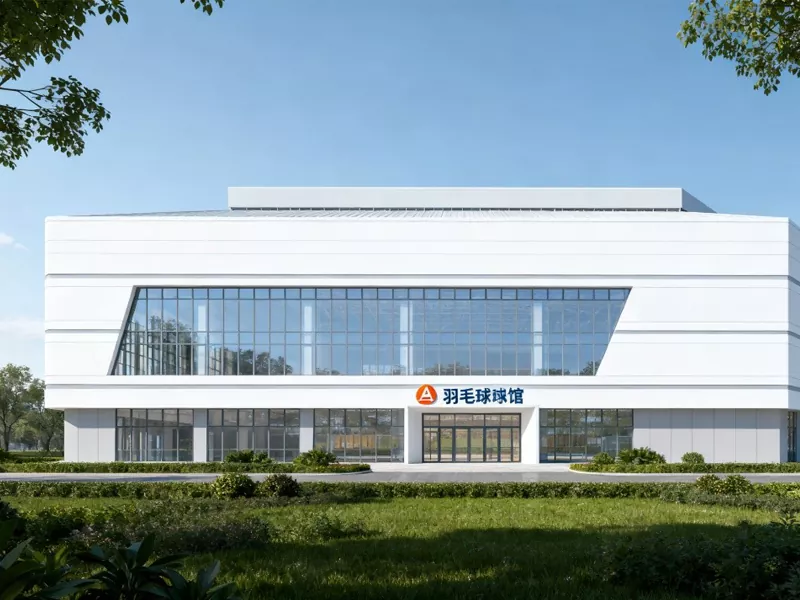
A Steel Structure Stadium is popular for a reason: steel performs exceptionally well when you need long spans, fast erection, and controlled quality. When designed and manufactured correctly, it shifts a large portion of uncertainty away from the jobsite and into a repeatable factory process.
What owners and EPC teams like about steel in stadium projects:
One important reality check: steel doesn’t magically eliminate complexity. It makes complexity easier to manage—if the project invests in early coordination (shop drawings, BIM clash resolution, connection detailing, and sequencing). That’s where experienced suppliers make an outsized difference.
For example, Qingdao Eihe Steel Structure Group Co., Ltd. supports stadium solutions by focusing on fabrication accuracy, standardized quality control, and coordination that aligns structural design with cladding, roof drainage, and installation sequencing—areas that frequently trigger delays when treated as afterthoughts.
When people say “steel stadium,” they might mean very different systems. The best outcome comes from matching the structural concept to your use case: football, athletics, multi-purpose events, training venues, or community arenas.
A) Roof and canopy strategy
B) Seating bowl integration
C) Envelope, drainage, and corrosion strategy
D) Comfort and experience
| Option | Best For | Typical Strengths | Common Watch-Outs |
|---|---|---|---|
| All-steel primary frame + steel roof | Fast delivery, long spans, flexible layout | High prefabrication, rapid erection, fewer columns | Early coordination needed for connections, cladding, drainage |
| Concrete seating bowl + steel roof | Large crowds, vibration control, hybrid performance | Stable bowl, efficient roof span, proven approach | Interface management between trades; schedule alignment critical |
| All-concrete frame | Small spans, local concrete preference | Fire performance often straightforward, familiar supply chain | Longer wet-trade schedule; formwork and curing time risks |
Stadium budgets are rarely “blown” by one dramatic mistake. They are usually eroded by dozens of small, avoidable decisions made too late. Here are the early levers that matter most:
A useful rule: if something will be hard to change after opening (roof waterproofing, corrosion protection, major connections), treat it as a “non-negotiable quality zone” during design and fabrication.
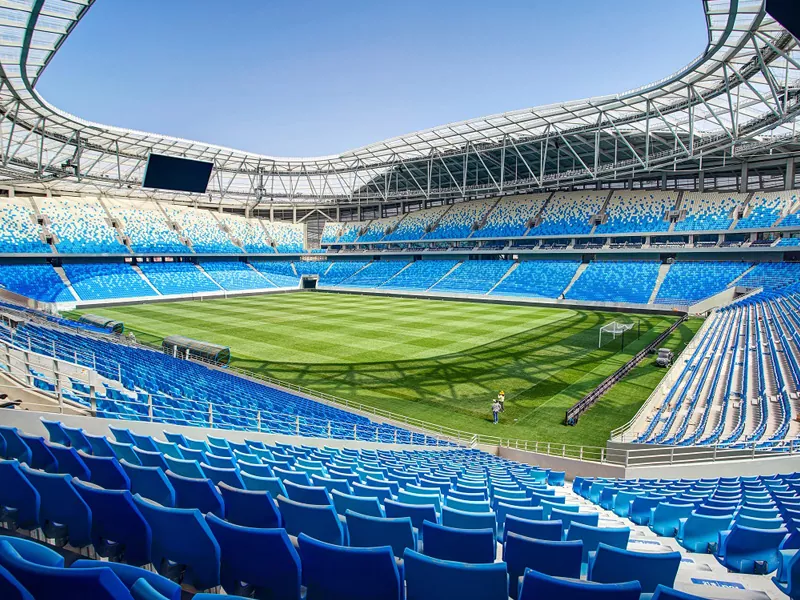
Whether you’re an owner, a general contractor, or a consultant, this checklist helps reduce ambiguity—the main source of disputes and change orders.
Teams that treat these items seriously tend to see fewer surprises. Teams that treat them as “someone else’s problem” usually pay for it later.
Q: How long does a Steel Structure Stadium typically take to erect?
A: The erection duration depends on span, roof complexity, site logistics, and how much is prefabricated. A well-planned steel package can significantly reduce on-site time because fabrication happens in parallel with foundation work, and installation is largely assembly-based.
Q: Will a steel stadium be noisy or uncomfortable in bad weather?
A: Comfort is mainly driven by roof coverage, enclosure strategy, ventilation, and material choices—not steel itself. With proper roof geometry, drainage, insulation where needed, and thoughtful façade design, steel stadiums can perform very well in wind, rain, and temperature swings.
Q: Is steel safe for large crowds and dynamic loads?
A: Yes, when designed to applicable standards and detailed correctly. Stadium design accounts for crowd loading, vibration, wind uplift, seismic demands (where relevant), and fatigue in critical connections. The key is a clear load path and disciplined fabrication/inspection.
Q: What about fire performance for steel structures?
A: Fire strategy is typically addressed through protective coatings, fire-rated enclosures where required, compartmentation, and system-level life safety design. The exact approach varies by local regulations and building use, so it should be coordinated early.
Q: How do we avoid rust and reduce maintenance cost?
A: Start with the environment: coastal air, industrial pollution, or heavy humidity require stronger protection. Combine a suitable coating system with details that avoid water traps, ensure proper drainage, and allow inspection access. Maintenance becomes manageable when it’s planned, not improvised.
Q: Can we expand the stadium later without shutting it down?
A: Expansion is most feasible when it’s designed into the original structural grid: reserved connection points, modular bays, and a roof strategy that can be extended in phases. A staged expansion plan can minimize downtime if planned early.
A stadium is a public promise: it needs to open on time, operate safely, feel comfortable, and remain maintainable for years. A Steel Structure Stadium approach helps you turn that promise into a controllable plan—by shifting more work into predictable fabrication, enabling long spans with fewer obstructions, and keeping future changes realistic.
If you’re planning a new venue or upgrading an existing one, it’s worth working with a team that understands both the engineering and the practical realities of manufacturing, transport, and installation. Qingdao Eihe Steel Structure Group Co., Ltd. supports stadium projects with integrated thinking across design coordination, fabrication quality control, and delivery planning—so you can reduce surprises and move from concept to opening day with more confidence.
Ready to discuss your stadium goals, timeline, and budget constraints? Share your basic requirements and let’s map out a steel solution that fits your site conditions and performance targets—contact us to start the conversation.
No. 568, Yanqing First Class Road, Jimo High-tech Zone, Qingdao City, Shandong Province, China
Teams