

QR Code

Products
Contact Us


E-mail

Address
No. 568, Yanqing First Class Road, Jimo High-tech Zone, Qingdao City, Shandong Province, China


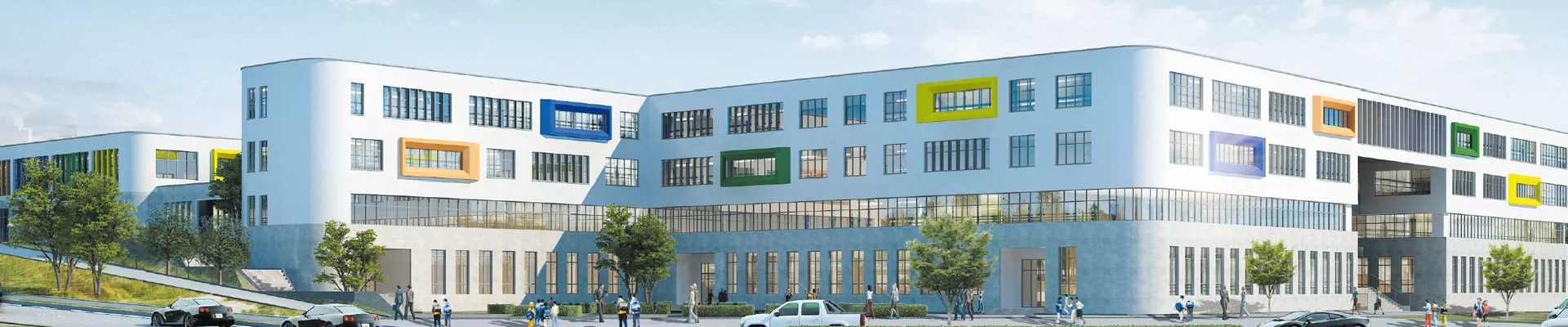
If you’re considering a Steel Frame Building, you probably care about three things: keeping the schedule under control, staying inside budget, and avoiding “hidden” headaches like rework, poor insulation performance, or inconsistent quality. This article breaks down how steel framing actually solves (or sometimes fails to solve) those pain points. You’ll get a practical cost-and-risk lens, a buyer’s checklist, a comparison table, and FAQs you can hand to your team before you request quotes.
Most buyers don’t wake up thinking, “I want steel.” They wake up thinking, “I can’t afford delays,” “my scope keeps changing,” or “last time, the contractor ate my contingency.” A well-planned Steel Frame Building addresses those problems by shifting more work into controlled, repeatable fabrication and away from weather-sensitive site labor.
Top pain points buyers report
How steel framing typically helps
Reality check: A Steel Frame Building is not automatically “cheaper.” It’s often more predictable—and predictability is what protects your budget when timelines matter.

In procurement conversations, “steel building” can mean anything from a simple portal frame shed to a complex industrial facility. To avoid mismatched quotes, align on what is included. A typical Steel Frame Building package may involve:
If you’re referencing solutions from Qingdao Eihe Steel Structure Group Co., Ltd., a common best practice is to treat the structure as a system: frame design, detailing, fabrication, surface treatment, and erection planning need to work together. That’s how you prevent “looks fine on paper” from becoming “why doesn’t this fit on site.”
Steel framing tends to shine when you need large clear spans, fast enclosure, or flexibility for equipment layouts. It’s especially common for industrial and commercial applications where downtime or slow construction creates real financial loss.
Great-fit scenarios
Situations that need extra attention
Time savings with a Steel Frame Building usually come from parallel workstreams: while foundations are being prepared on site, structural members can be fabricated off-site. Once materials arrive, erection follows a repeatable sequence—especially when drawings and connection details are locked early.
A practical schedule-friendly workflow looks like this
Procurement tip: Ask how the supplier handles shop drawing approval cycles. Many delays happen before steel ever reaches the site.
Comparing quotes for a Steel Frame Building is hard because bids can hide scope gaps: different assumptions about insulation thickness, panel profiles, accessories, corrosion protection, or erection responsibility. To make a fair comparison, evaluate total installed value and risk exposure.
| What to compare | Why it matters | Questions to ask |
|---|---|---|
| Structural weight & load criteria | Under-designed frames can trigger redesign, delays, or safety concerns | Which codes and load combinations are used (wind/snow/seismic)? |
| Surface protection | Paint systems and galvanizing affect lifecycle cost and maintenance | What coating system, DFT, and environment rating are specified? |
| Envelope performance | Insulation + vapor control prevents condensation and energy waste | How is thermal bridging handled? What is the insulation type? |
| Connection detailing | Poor detailing causes site fit-up issues and rework | Are connection drawings included? Are bolts/plates supplied? |
| Delivery and packaging | Damage or missing parts can stop erection | How are parts labeled, packed, and tracked? |
For stakeholders who need a quick baseline, here is a simplified comparison that’s useful for early-stage screening. Actual outcomes depend on design, climate, labor, and code requirements.
| Dimension | Steel Frame Building | Concrete-heavy approach | Wood/light framing (where applicable) |
|---|---|---|---|
| Construction speed | Fast erection; fewer wet trades | Slower cure times; more sequencing constraints | Fast for small projects; limited for large spans |
| Span & layout flexibility | Excellent for wide clear spans | Good but heavier; may increase foundation demand | Limited for large industrial spans |
| Cost predictability | High when scope is defined early | Moderate; site conditions and labor variability matter | Variable; depends on code, moisture, and fire constraints |
| Lifecycle maintenance | Manageable with correct coatings | Durable; repairs can be invasive | Moisture/pest risks in some climates |
A Steel Frame Building lasts when three fundamentals are respected: structural design, corrosion management, and envelope control. Most “steel building problems” are not steel problems—they’re coordination problems between structure, enclosure, and site environment.
If you want fewer change orders, focus on the predictable failure points. The following issues repeatedly inflate costs on Steel Frame Building projects:
A simple way to reduce these risks is to run a pre-quote checklist meeting: align loads, dimensions, openings, coatings, insulation targets, and delivery sequence before you ask for final pricing.

Choosing a Steel Frame Building supplier is less about the lowest number and more about controlled execution. When evaluating partners such as Qingdao Eihe Steel Structure Group Co., Ltd., consider whether their process can support your project’s risk profile: fast schedule, strict tolerances, difficult environment, or high documentation requirements.
Use this supplier evaluation checklist
Buyer move that saves money: Ask the supplier to highlight “scope exclusions” in plain language. The earlier you see exclusions, the fewer expensive surprises you’ll fund later.
1) How long does a typical Steel Frame Building take from order to installation?
It depends on complexity, approvals, and logistics. Simple buildings can move quickly once drawings are approved, while larger industrial facilities require more coordination. The most common cause of delay is not fabrication—it’s drawing approvals and scope changes.
2) Is a Steel Frame Building cheaper than concrete?
Sometimes, but not always. Steel often wins on speed, predictability, and long-span efficiency. The “cheapest” option on paper can become the most expensive when delays, rework, or energy performance issues appear.
3) What information should I prepare before requesting a quote?
Building dimensions, clear height, bay spacing, location/climate, code requirements, intended use, equipment loads (cranes/mezzanines), opening schedules (doors/windows), insulation targets, and preferred surface protection.
4) How do I prevent condensation problems?
Treat the envelope as a system: insulation continuity, vapor barrier placement, ventilation strategy, and correct detailing at penetrations. Condensation is usually a coordination issue, not a “steel issue.”
5) What coating should I specify for coastal or corrosive environments?
Coating selection should match exposure severity and maintenance strategy. Discuss galvanizing vs. multi-coat paint systems, and define thickness and inspection expectations. A local engineer or coating specialist can help finalize the best option.
6) Can I expand a Steel Frame Building later?
Yes—steel framing is often designed with modular bays that support expansion. Planning expansion points early (end-wall framing, foundations, and connection logic) saves major cost later.
7) What should I watch for in “too-good-to-be-true” pricing?
Missing scope items, weak documentation, unclear coatings, unrealistic timelines, and vague statements about what is “included.” Ask for a clear bill of materials and a list of exclusions.
8) Who is responsible for structural safety and code compliance?
Responsibilities vary by contract and jurisdiction. Typically, a licensed engineer must confirm compliance with local codes. Suppliers provide design inputs and documentation, but final approvals are commonly handled by local professionals.
A Steel Frame Building is a practical answer when you need speed, scalability, and controlled quality. The best results come from disciplined scope definition, early detailing coordination, and a supplier who can support documentation and consistency. If you want your project to feel calm instead of chaotic, invest a little time upfront: align design basis, envelope targets, coatings, and delivery sequence.
If you’re planning a Steel Frame Building and want clearer answers on scope, performance, and delivery strategy, reach out to Qingdao Eihe Steel Structure Group Co., Ltd.—tell your team’s requirements, and we’ll help you turn them into a buildable plan. Ready to move? contact us and get a quote framework that reduces change orders instead of inviting them.
No. 568, Yanqing First Class Road, Jimo High-tech Zone, Qingdao City, Shandong Province, China
Teams