


QR Code

Products
Contact Us


E-mail

Address
No. 568, Yanqing First Class Road, Jimo High-tech Zone, Qingdao City, Shandong Province, China


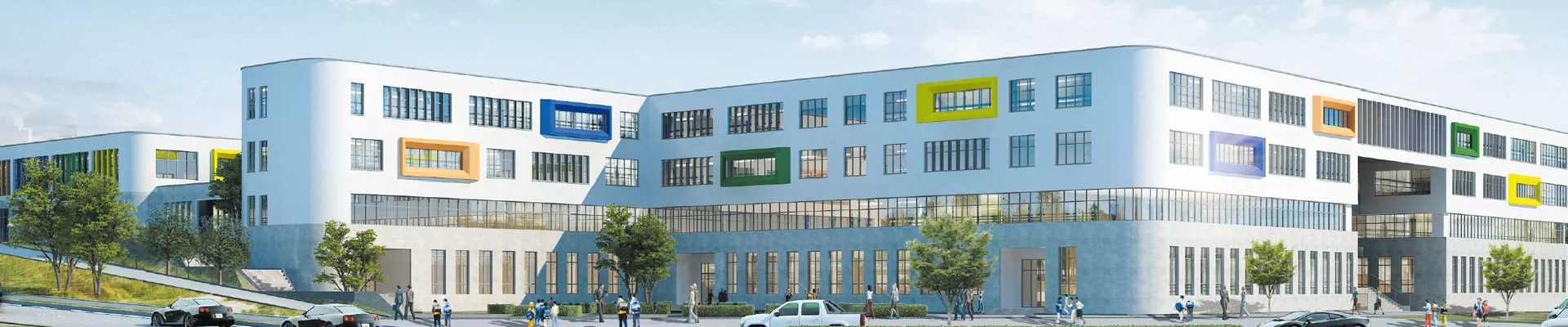
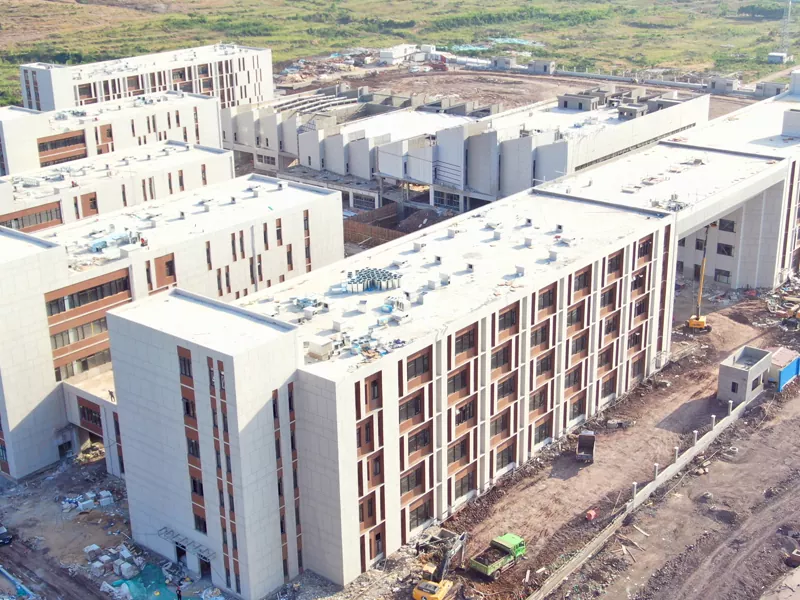
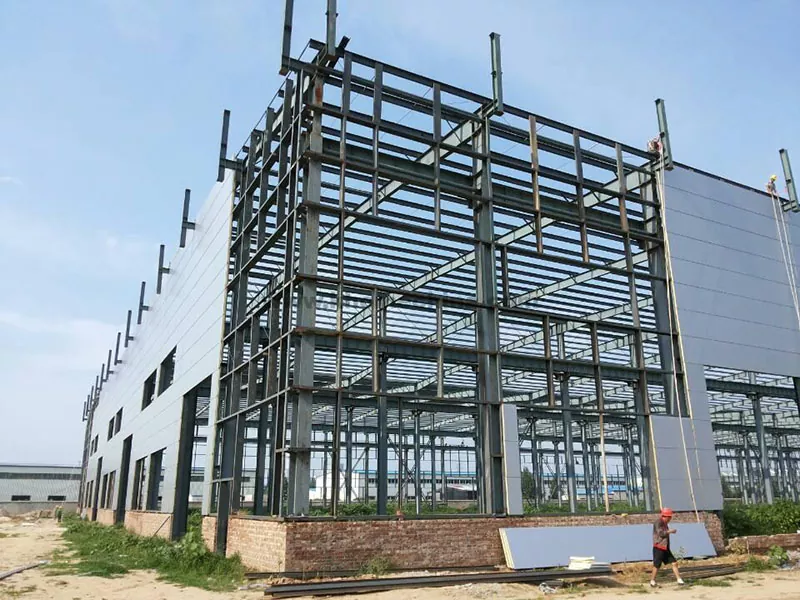
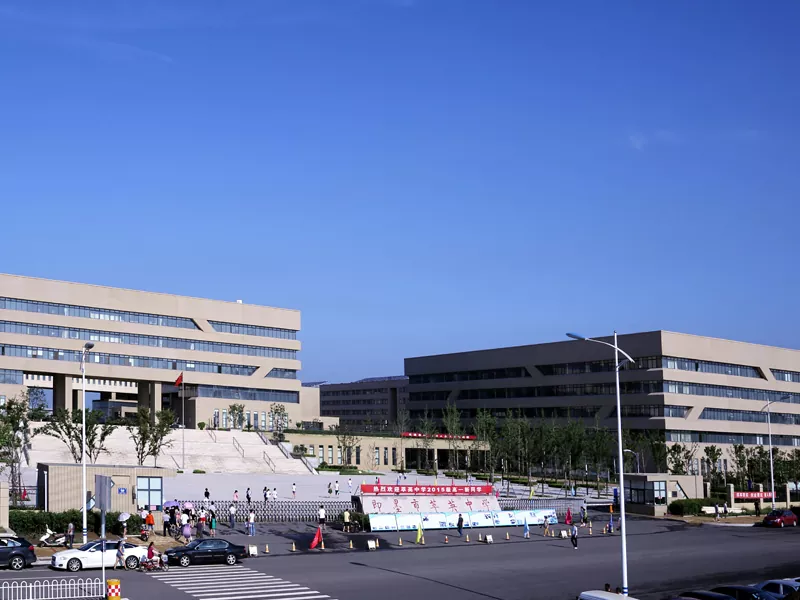
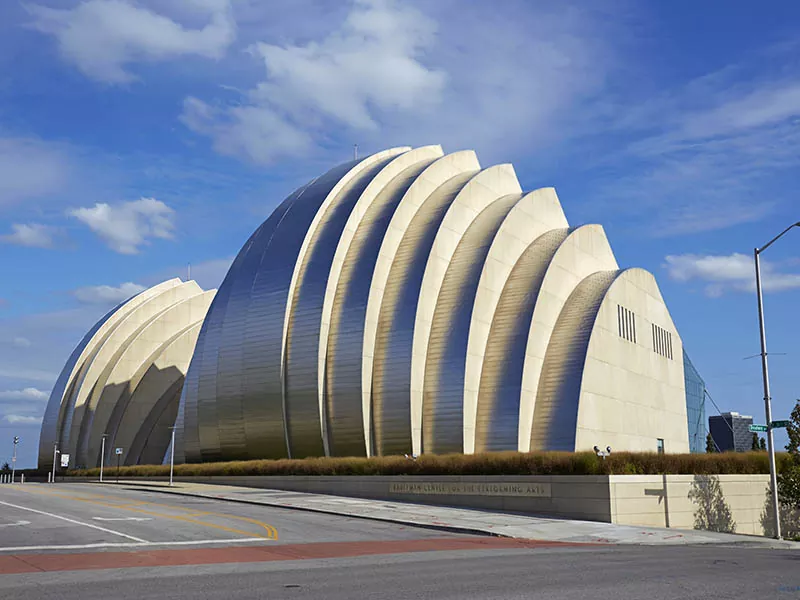
In contemporary architecture, Steel Museum Buildings have emerged as a preferred solution for institutions seeking durability, flexibility, and aesthetic appeal. Unlike traditional masonry or concrete structures, steel provides unmatched strength-to-weight ratio, allowing architects to create expansive, open interior spaces without obstructive columns. This structural efficiency not only enhances visitor experience but also reduces construction time and cost.
Many cultural institutions are now choosing Steel Museum Buildings for their ability to accommodate innovative designs while meeting strict safety and sustainability standards. But what makes them truly stand out?
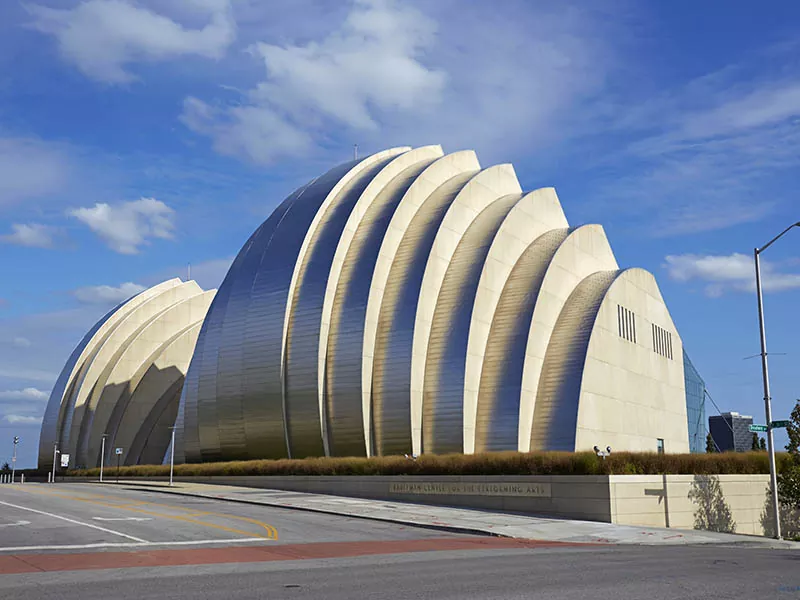
Choosing a steel structure for a museum offers several critical benefits:
Structural Strength: Can withstand heavy loads, seismic events, and adverse weather conditions.
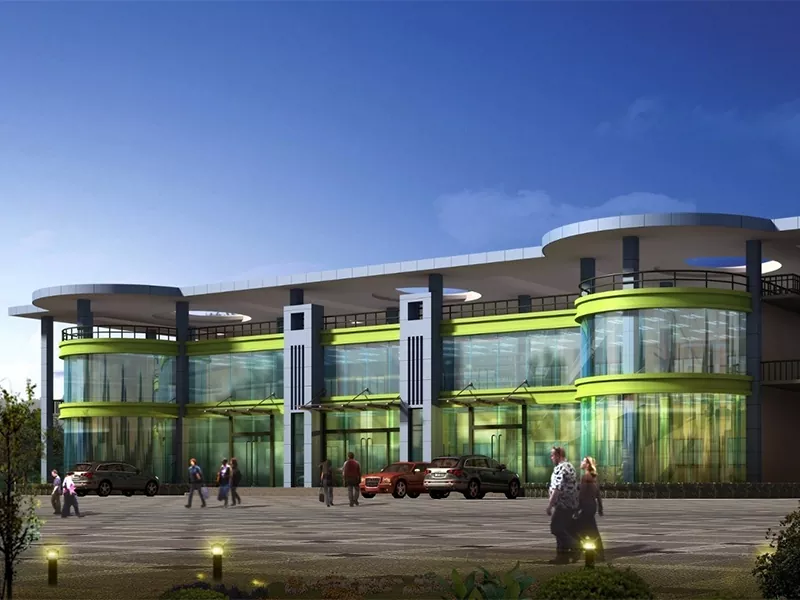
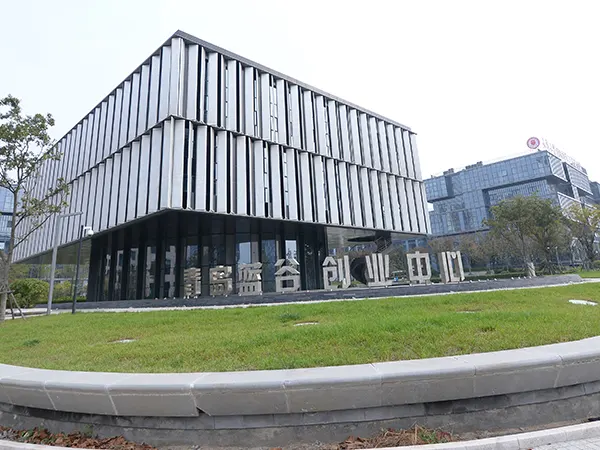
Design Flexibility: Supports large spans and creative architectural features such as curved walls, cantilevers, and open atriums.
Durability: Resistant to corrosion and fire when treated with appropriate coatings.
Sustainability: Steel is 100% recyclable, contributing to eco-friendly construction practices.
Cost Efficiency: Shorter construction time and lower maintenance costs compared to traditional materials.
When designing or evaluating a Steel Museum Building, it's essential to consider technical specifications that ensure safety, functionality, and longevity. Below is a concise overview:
| Parameter | Typical Value / Option | Description |
|---|---|---|
| Structural Material | High-strength steel (Q235, Q345, or equivalent) | Provides durability, load-bearing capacity, and fire resistance |
| Span Width | 10–50 meters | Enables large open exhibition spaces without interior columns |
| Roof Type | Steel truss, flat, or curved | Allows creative architectural designs |
| Wall Material | Steel panels, glass, or composite | Offers insulation, aesthetics, and natural light |
| Corrosion Protection | Galvanization or epoxy coating | Extends lifespan and reduces maintenance costs |
| Seismic Resistance | Up to zone 9 (depending on region) | Ensures safety in earthquake-prone areas |
| Construction Time | 6–12 months (typical mid-size museum) | Faster than conventional concrete or brick structures |
These parameters are customizable according to specific project requirements, making steel the most versatile choice for modern museums.
| Feature | Steel Museum Building | Concrete Museum Building |
|---|---|---|
| Construction Speed | Fast (modular components, pre-fabrication) | Slow (on-site curing, formwork) |
| Design Flexibility | High (long spans, cantilevers, curves) | Limited (requires columns/walls) |
| Maintenance | Low (corrosion-resistant coatings) | Moderate to high (cracks, moisture) |
| Environmental Impact | Recyclable, sustainable | High carbon footprint |
| Seismic Performance | Excellent (flexible steel absorbs energy) | Moderate (rigid structures may crack) |
This comparison highlights why many architects and engineers now favor Steel Museum Buildings for both new construction and major expansions.
Exhibition Halls: Wide, unobstructed spaces ideal for large installations and temporary exhibits.
Atriums and Lobbies: Open areas with natural light, supported by steel trusses.
Multi-Level Galleries: Lightweight steel frames allow stacking without excessive load on the foundation.
Sustainability Features: Integration of solar panels, rainwater harvesting, and energy-efficient insulation.
These applications demonstrate how steel structures adapt to both aesthetic and functional requirements of modern museums.
Q1: What makes a Steel Museum Building safer than traditional buildings?
A1: Steel structures are inherently stronger and more flexible, which allows them to resist seismic forces, high winds, and heavy loads better than conventional concrete or brick. Additionally, fire-resistant coatings and anti-corrosion treatments further enhance safety.
Q2: How long does it take to construct a typical Steel Museum Building?
A2: Depending on size and complexity, construction usually takes 6–12 months. Prefabricated steel components are manufactured off-site and assembled quickly, reducing on-site labor and potential delays.
Q3: Can Steel Museum Buildings be customized for unique architectural designs?
A3: Absolutely. Steel's high strength-to-weight ratio allows for long spans, curved roofs, cantilevers, and open atriums. This flexibility enables architects to realize innovative designs while maintaining structural integrity.
At Qingdao Eihe Steel Structure Group Co., Ltd., we specialize in delivering high-quality Steel Museum Buildings tailored to client needs. Our expertise covers design, fabrication, and installation, ensuring projects meet global safety, aesthetic, and environmental standards. By combining advanced engineering techniques with sustainable practices, we make it easier for cultural institutions to create inspiring spaces efficiently and cost-effectively.
Whether you are planning a new museum or expanding an existing facility, choosing a steel structure provides unmatched flexibility, speed, and longevity. Contact Qingdao Eihe Steel Structure Group Co., Ltd. today to discuss your next museum project and discover why a Steel Museum Building is the future of modern architecture.
No. 568, Yanqing First Class Road, Jimo High-tech Zone, Qingdao City, Shandong Province, China
Teams