QR Code

Products
Contact Us


E-mail

Address
No. 568, Yanqing First Class Road, Jimo High-tech Zone, Qingdao City, Shandong Province, China


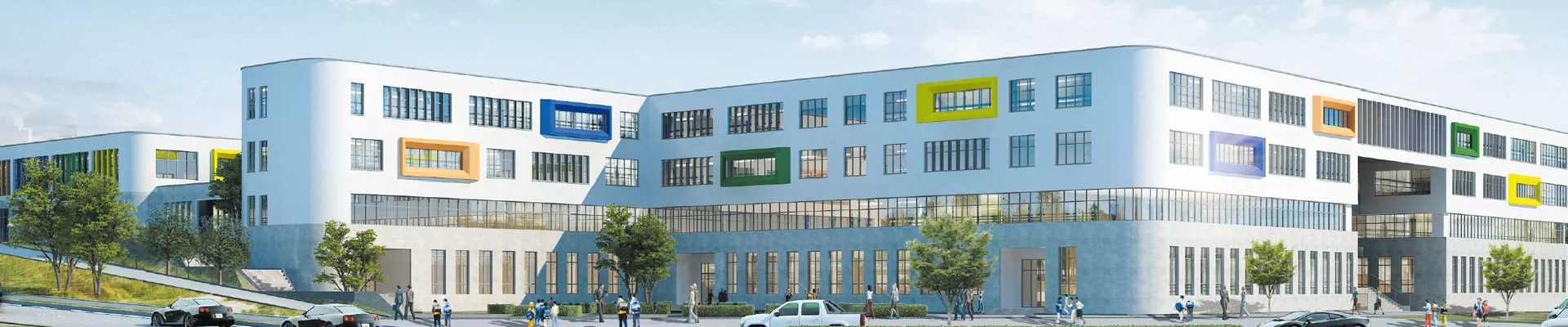
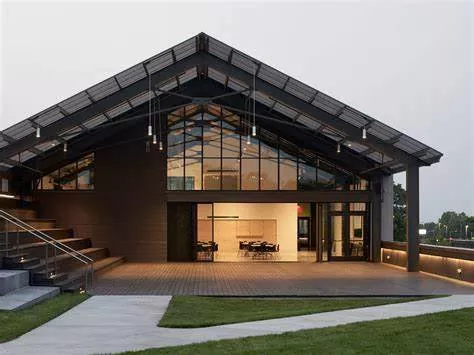
In recent years, the design of broadcasting facilities has rapidly evolved, driven by the need for higher efficiency, advanced acoustic performance, better spatial flexibility, and faster construction timelines. A Steel Structure Broadcasting Building has become one of the most trusted solutions for radio stations, TV studios, digital media hubs, and communication centers that demand architectural precision, durability, and long-term performance. This type of structure supports complex functional zones such as recording studios, equipment rooms, control centers, editing areas, news studios, and large-span broadcasting halls—while maintaining excellent safety and stability.
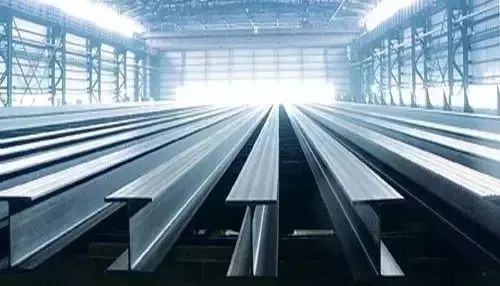
A steel structure offers high loading capacity, exceptional seismic resistance, and flexible design options, making it suitable for buildings that require wide spans, vibration control, and strict technical standards. Whether for national broadcasting corporations or private media companies, the structural advantages of steel help ensure reliability and long-term operational efficiency.
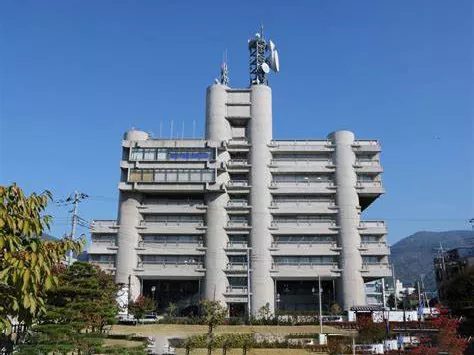
Steel structural systems are uniquely suited for broadcasting environments due to several performance-enhancing characteristics:
1. Large Span Capacity
Broadcasting halls often require column-free spaces to accommodate lighting grids, audio equipment, broadcasting sets, or aerial camera systems. Steel provides long spans with minimal deformation.
2. Excellent Acoustic Isolation
Modern broadcasting buildings use layered wall systems, double-skin façades, and anti-vibration steel connections to minimize noise transfer between studios and outdoor environments.
3. High Precision for Technical Installations
Electrical systems, signal cables, HVAC ducts, and acoustic panels require precise structural layouts. Steel offers tight tolerances and predictable performance.
4. Fast and Clean Construction
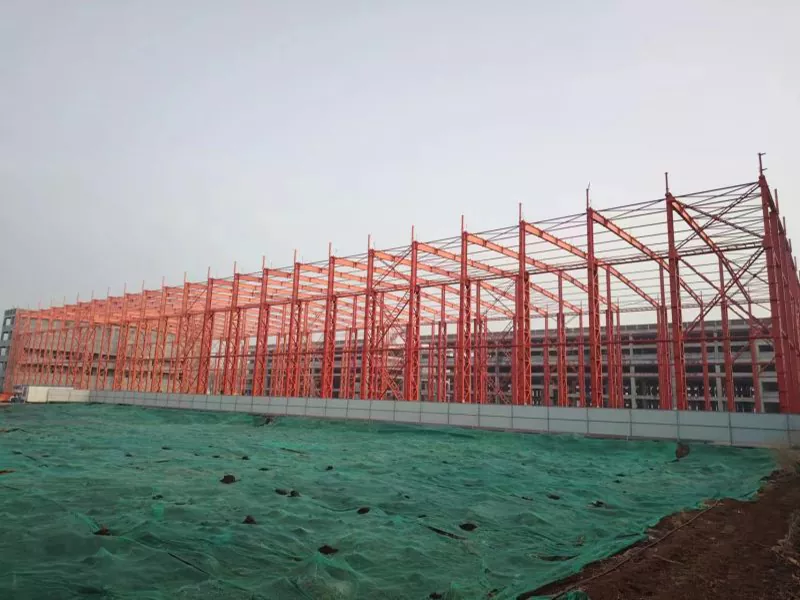
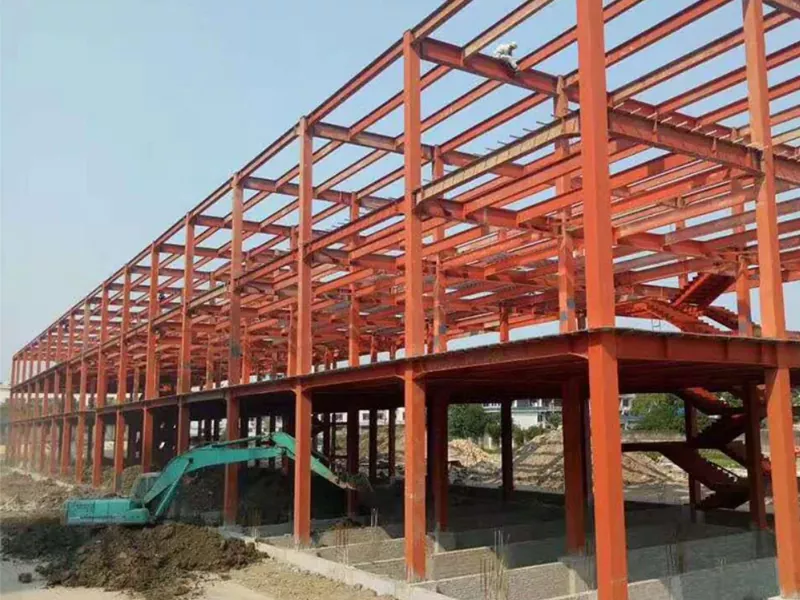
Steel components are prefabricated, reducing on-site construction time and minimizing project delays—an essential advantage for media companies that need rapid commissioning.
5. Superior Seismic and Wind Resistance
Broadcasting buildings often house critical national communication equipment. Steel enhances structural safety against earthquakes and extreme weather.
A comparison of steel structures versus reinforced concrete can highlight the benefits clearly:
| Feature / Performance | Steel Structure Broadcasting Building | Concrete Broadcasting Building |
|---|---|---|
| Construction Speed | 30–50% faster with prefabrication | Slower due to curing time |
| Span Flexibility | Excellent, suitable for wide-span studios | Limited without heavy beams |
| Seismic Performance | Very high, flexible and ductile | Moderate, rigid and prone to cracking |
| Weight | Lightweight, reduces foundation cost | Heavy, requires stronger foundation |
| Acoustic Customization | Easier to integrate acoustic layers | More complex modification |
| Environmental Impact | Recyclable materials | Higher carbon footprint |
Overall, steel structures deliver better performance, cost efficiency, and long-term reliability for broadcasting applications.
To help project planners, engineers, and investors make informed decisions, below is a simplified table of typical technical specifications supplied by Qingdao Eihe Steel Structure Group Co., Ltd.
| Parameter Category | Specification |
|---|---|
| Material Grade | Q235, Q345, Q355, customized high-strength structural steel |
| Structural System | Portal frame, grid structure, box column steel frame, H-beam structure |
| Span Range | 20–80 m clear span options |
| Building Height | 6–40 m depending on studio and equipment requirements |
| Wall & Roof Panels | Sandwich panels (EPS, Rock Wool, PU), aluminum-magnesium-manganese panels, high acoustic panels |
| Surface Treatment | Hot-dip galvanizing, painting, anti-corrosion coating |
| Seismic Rating | Grade 8–9 available |
| Fire Resistance | Fireproof coatings up to 2–3 hours |
| Insulation Performance | 0.018–0.045 W/(m·K) depending on panel type |
| Design Standard | GB, ASTM, EN, AS/NZS standards |
| Production Method | CNC cutting, automatic welding, full prefabrication |
These parameters can be tailored according to country codes, architectural requirements, acoustic specifications, and broadcasting facility layouts.
To ensure the building meets professional broadcasting standards, a well-designed facility includes:
Double-layer steel studs
Mineral wool insulation
Floating floors for vibration control
Steel framing allows for concealed cable routing within walls and ceilings.
Use of resilient connectors, anti-vibration bases, damping panels, and suspended ceilings.
Ideal for live broadcasting zones, event stages, and multifunctional halls.
Integrated fireproof coatings and automatic sprinkler systems.
Silent ducts and noise-isolated mechanical rooms reduce background noise.
1. Corrosion Protection Measures
Hot-dip galvanizing
Epoxy/polyurethane coatings
Regular surface inspections
2. Structural Integrity Checks
Scheduled maintenance ensures bolts, welds, and load connections remain secure.
3. Fireproof Treatment
Application of specialized fireproof coatings ensures compliance with safety regulations.
4. Moisture and Thermal Control
Proper insulation prevents condensation around sensitive broadcasting equipment.
5. Long-term Stability
Steel structures maintain stable mechanical properties over decades, supporting uninterrupted media operations.
A typical project follows these phases:
Architectural design, structural modeling, acoustic analysis, and layout planning.
Beams, columns, and components are CNC-cut and prefabricated.
Bolting and welding performed with high precision.
Use of acoustic panels, insulated materials, and specialized broadcasting interior walls.
Electrical wiring
HVAC
Soundproof systems
Control room installation
Final safety evaluation, structural inspection, and acoustic testing.
Steel structure broadcasting facilities are widely used in:
Radio stations
TV broadcast centers
Emergency command centers
Digital media companies
Film & recording studios
Online live-streaming centers
Government communication bureaus
1. What factors influence the cost of a Steel Structure Broadcasting Building?
Cost depends on span size, steel grade, acoustic specifications, insulation requirements, fire ratings, and interior systems such as HVAC and cable design. Larger studios and higher acoustic standards require more materials and structural optimization.
2. Why is a Steel Structure Broadcasting Building preferred for seismic zones?
Steel frames are highly ductile, meaning they can bend without breaking. This flexibility reduces damage during earthquakes and ensures vital broadcasting equipment remains protected.
3. How long does it take to construct a Steel Structure Broadcasting Building?
Construction time is significantly shorter than traditional concrete structures. Most projects can be completed 30–50% faster due to prefabricated steel components.
4. What customization options are available for a Steel Structure Broadcasting Building?
Options include wall/roof panel types, interior acoustic materials, studio layout, fire resistance level, steel grade, exterior façade design, and international standard compliance (ASTM, EN, GB, etc.).
For professional steel structure design, fabrication, and installation services for broadcasting buildings, please contact:
Qingdao Eihe Steel Structure Group Co., Ltd.
Specialized in steel structure engineering, industrial plants, commercial buildings, and customized broadcasting facilities.
No. 568, Yanqing First Class Road, Jimo High-tech Zone, Qingdao City, Shandong Province, China
Teams