
Abstract
Planning a new campus building is rarely just a “construction” problem. It’s a scheduling problem (summer windows are short), a safety problem (students and staff must stay protected), a budget problem (price swings can break a plan), and a longevity problem (maintenance and upgrades shouldn’t become a constant headache).
This article breaks down how a School Steel Building approach can reduce project risk while improving flexibility—whether you’re building classrooms, laboratories, libraries, dining halls, sports facilities, or multi-purpose spaces. You’ll get a plain-English framework for choosing the right structural system, a checklist you can bring to your design meeting, and a set of questions that keep surprises out of your timeline.
Quick takeaway
The biggest wins usually come from: faster enclosure, cleaner site logistics, predictable fabrication, and a structure that can adapt when enrollment, programs, or budgets change.
Contents
- What pain points do school projects face most often?
- What makes a school steel building different?
- Which benefits matter most on real campuses?
- How does steel compare with other structural options?
- What should you decide early in design?
- How do you keep schedule and quality under control?
- How do you choose the right building partner?
- Campus-ready checklist before you approve drawings
- FAQ
Outline
- Start with the real-world constraints: safety, calendar, budget, procurement, and long-term operations.
- Translate those constraints into structural priorities: speed, reliability, flexibility, and maintainability.
- Use comparisons and checklists to reduce decision risk before construction starts.
- Close the loop with clear scope, inspection points, and handover documentation for campus operations.
What pain points do school projects face most often?
Schools don’t build in a vacuum. You’re building around children, around daily teaching, and around public accountability. In practice, the most common frustrations are not “the building” itself—they’re the surprises that show up late. Here are the pain points that repeatedly slow school projects down:
- Compressed construction windows: Summer breaks and exam seasons create narrow periods where heavy work is feasible.
- Safety and site control: You need clean boundaries, predictable deliveries, and fewer high-risk site activities.
- Budget uncertainty: Material and labor swings can cause redesigns, scope cuts, or delays in approvals.
- Acoustic comfort: Classrooms fail when noise leaks between spaces or HVAC vibrations become constant distractions.
- Thermal comfort and energy performance: A “nice-looking” building still disappoints if it’s too hot, too cold, or expensive to run.
- Future-proofing: Enrollment, curriculum, and technology needs evolve. Buildings should adapt without major demolition.
- Maintenance load: Facilities teams need durable finishes, clear access to services, and predictable replacement cycles.
A campus-friendly rule
The earlier you “lock in” decisions that affect fabrication and procurement, the less you bleed time later—especially on public bidding timelines.
What makes a school steel building different?
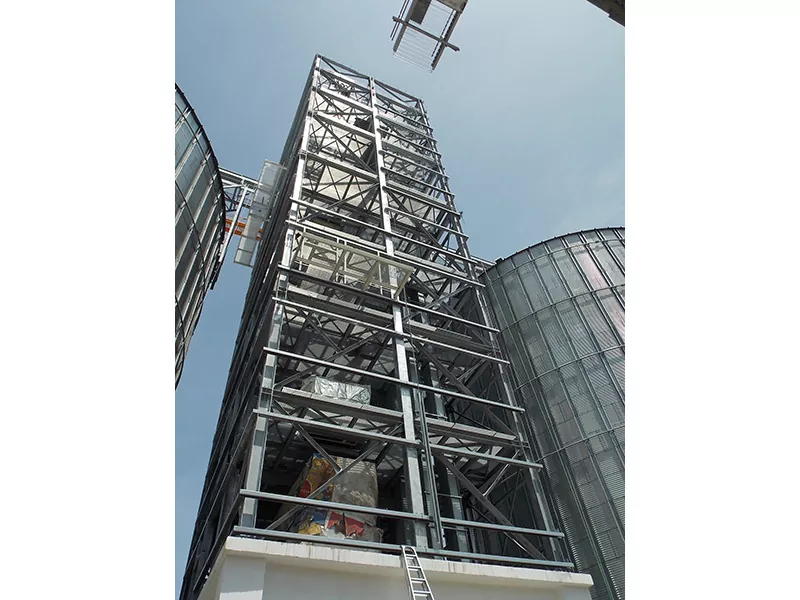
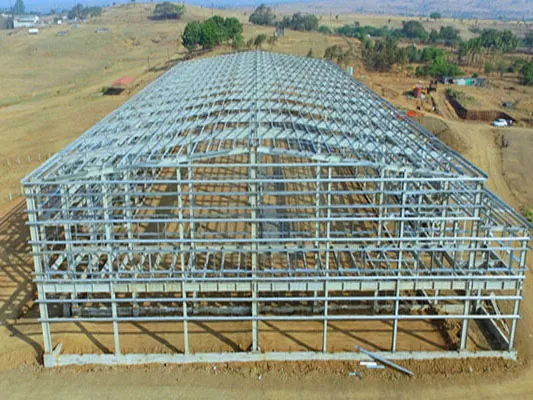
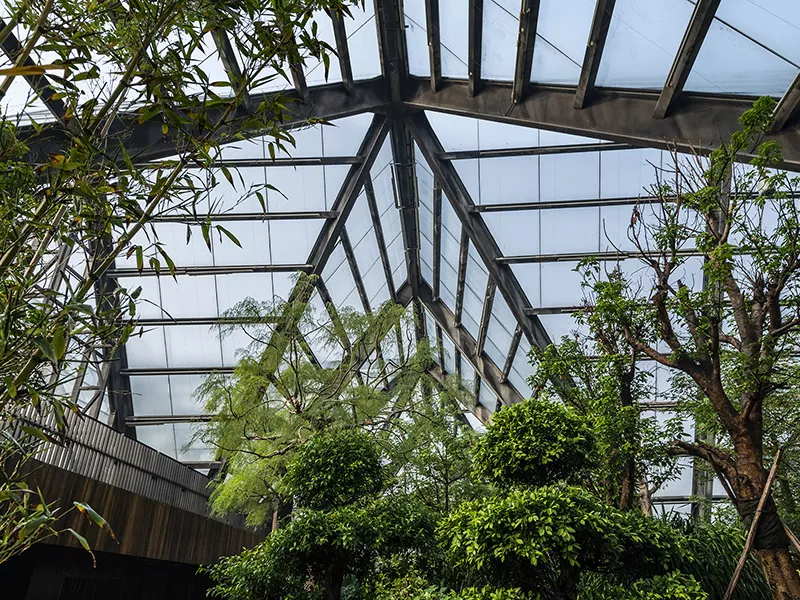
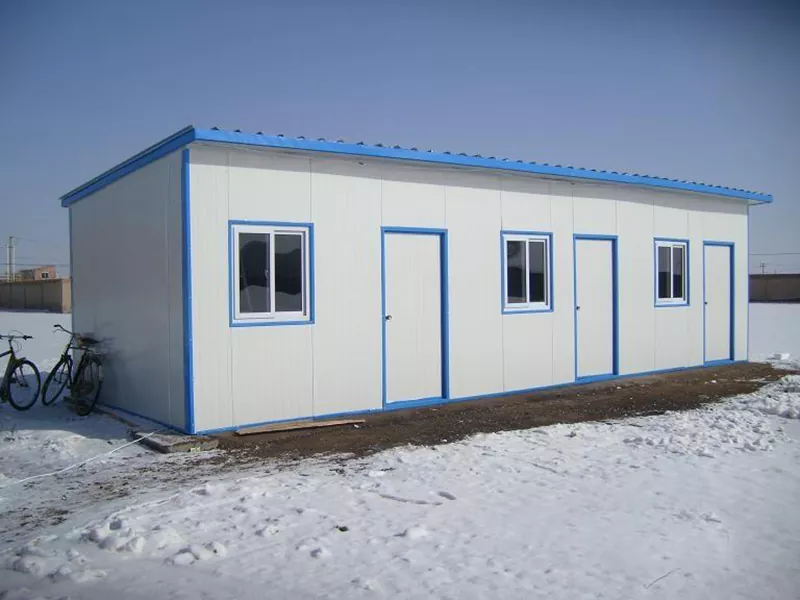
A School Steel Building is not just “a metal box.” In modern education projects, steel typically serves as the primary structural frame (columns, beams, bracing, and sometimes trusses) that supports a wide range of architectural envelopes: brick veneers, insulated wall panels, curtain walls, fiber-cement cladding, and more.
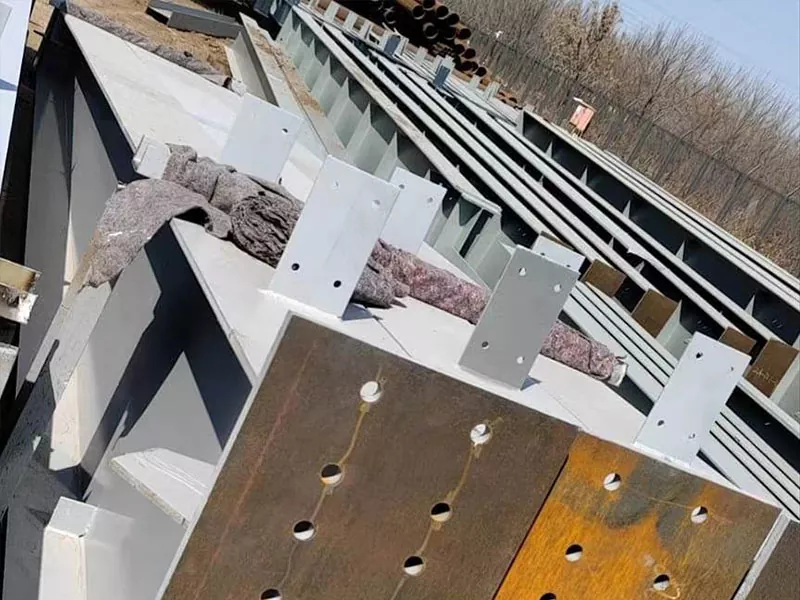
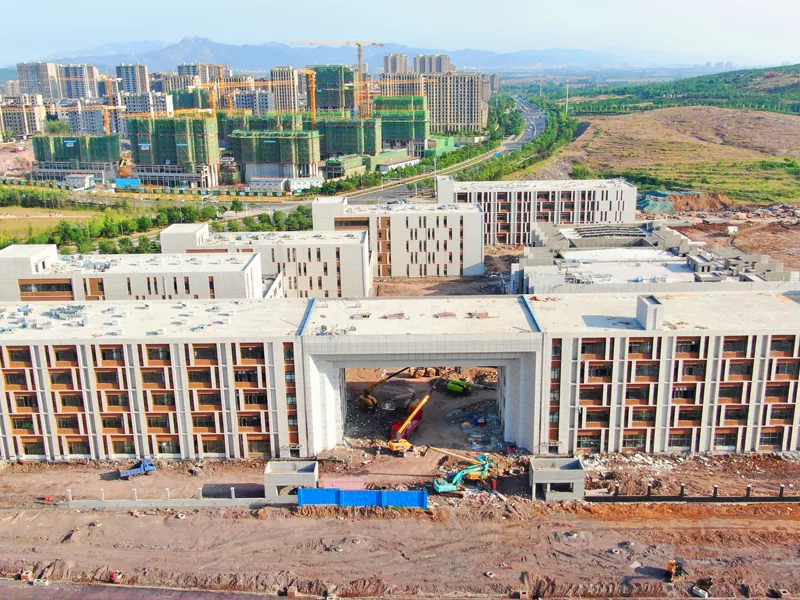
The core difference is how the structure is produced and assembled. Steel components are fabricated with controlled precision, then delivered and erected efficiently on site. That changes the rhythm of the project: fewer wet trades, cleaner sequencing, and earlier building enclosure—often a big deal for schools trying to avoid weather-driven delays.
- Factory-controlled fabrication improves consistency and reduces rework.
- Clear erection sequencing supports safer site logistics with planned lifts and fewer unknowns.
- Long-span options make it easier to create gyms, auditoriums, libraries, and flexible multi-use halls.
- Adaptable grids support future renovations—new partitions and MEP upgrades become simpler.
Which benefits matter most on real campuses?
If you’re choosing a structural system, you’re choosing what kind of pain you want to avoid. For education environments, steel often shines in four categories: speed, predictability, flexibility, and lifecycle practicality. Let’s translate that into outcomes you can actually feel during and after construction.
- Earlier enclosure means interior trades can begin sooner, which is crucial when you’re chasing an academic calendar.
- Reduced weather risk because the schedule leans less on slow-curing site work.
- Cleaner coordination since structural tolerances are typically easier to control with fabricated components.
- Clearer scope definition helps procurement teams compare bids more consistently.
- Less “mystery work” on site, reducing change orders caused by hidden conditions and alignment issues.
- Repeatable details across classrooms and corridors can simplify design and reduce mistakes.
Schools are shifting toward project-based learning, hybrid spaces, and evolving lab and tech requirements. Steel framing supports this by making it easier to:
- Reconfigure partitions without reworking heavy structural walls
- Plan for future mezzanines, canopies, or expansions with compatible connection strategies
- Create larger open zones for maker spaces, libraries, and collaboration hubs
- Accessible service routing (HVAC, electrical, data) can be planned cleanly within structural grids.
- Durable performance with the right corrosion protection strategy for your environment.
- Simpler future retrofits for technology upgrades and code changes.
Don’t skip this
A steel structure performs best when acoustics, insulation, and detailing are designed as a system. Structure is only one piece of “quiet, comfortable classrooms.”
How does steel compare with other structural options?
Decision-makers often ask for a quick comparison. While every project has unique constraints, this table can help you frame trade-offs without getting lost in jargon.
| Decision Factor | Steel Frame (Typical School Use) | Concrete / Masonry (Typical School Use) |
|---|---|---|
| Schedule reliability | Often supports faster erection and earlier enclosure when coordination is strong | Can be slower due to wet trades, curing time, and weather sensitivity |
| Site disruption | More planned lifts and deliveries; potentially fewer on-site fabrication surprises | Heavier continuous site activity; more wet work and staging space demands |
| Flexibility & future changes | Adaptable grids and long spans can simplify remodeling and expansion | Changes can be more invasive if structural walls or heavy elements dominate |
| Acoustics & comfort | Depends strongly on envelope, insulation, and interior assemblies (doable, but must be designed intentionally) | Mass can help with sound isolation, but detailing and HVAC still matter |
| Cost predictability | Fabrication packages can be clearer; fewer unknowns when scope is locked early | Costs can fluctuate with labor intensity and extended schedules |
| Campus aesthetics | Highly customizable; steel is the frame, not the finished look | Also customizable, but may constrain span and layout choices |
Note: Performance depends on local codes, soil conditions, span requirements, and the full building assembly—not just the structural material.
What should you decide early in design?
School projects succeed when “early decisions” are truly early. If critical items drift, you end up paying for redesigns, re-approvals, and procurement delays. For steel-framed campuses, these are the high-impact decisions to lock in:
- Building grid and spans: Decide where you need open space (gyms, auditoriums) versus standard classroom bays.
- Envelope strategy: Choose wall and roof assemblies based on climate, durability, and maintenance capability.
- Acoustic targets: Set classroom sound isolation goals and coordinate partitions, ceilings, and penetrations accordingly.
- MEP routing: Confirm mechanical room locations, shaft paths, and ceiling service zones before steel detailing finalizes.
- Safety and circulation: Plan secure entries, visibility lines, and evacuation routes that fit your operational reality.
- Expansion points: Identify where future wings, additional floors, or covered walkways might connect.
Comfort isn’t optional
If you’re worried about “steel buildings feel hot or noisy,” treat that as a design brief, not a rumor. Insulation, air sealing, and interior assemblies solve most of it when specified correctly.
How do you keep schedule and quality under control?
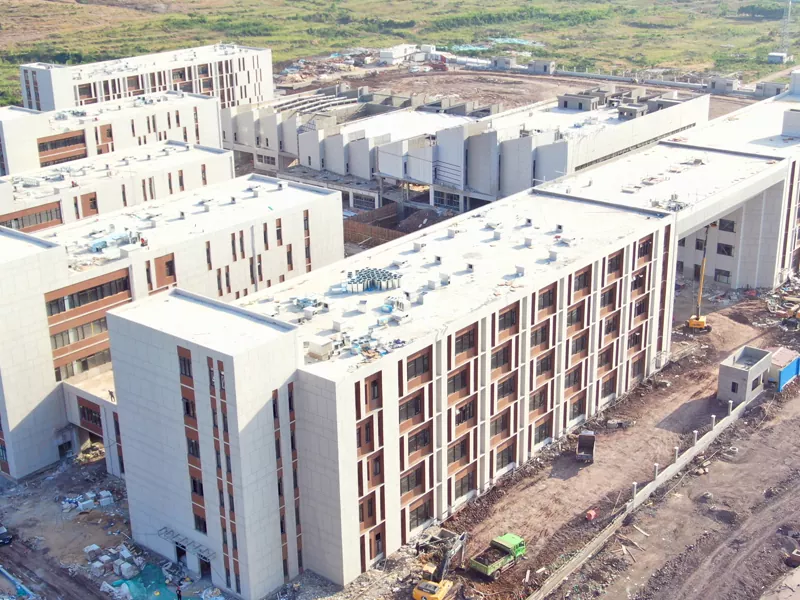
Many school projects stumble not because steel is complicated, but because coordination is underestimated. The solution is a simple discipline: define responsibilities early and create inspection points that match the way steel projects actually run.
- Freeze the structural grid before fabrication approvals to avoid domino-effect rework.
- Use clear submittal milestones so procurement, engineering, and site teams stay aligned.
- Plan deliveries around campus traffic to reduce disruption for buses, pedestrians, and staff parking.
- Set quality checkpoints for welding, bolt installation, coating condition, and connection tolerances.
- Coordinate penetrations early to prevent field drilling that can create delays and conflicts.
| Pitfall | What it looks like on a school project | How to prevent it |
|---|---|---|
| Late changes to room layouts | Shifting classroom sizes forces MEP reroutes and connection redesign | Lock the grid and core circulation first; treat changes as a scoped variation |
| Under-specified acoustic assemblies | Noise complaints after occupancy | Define acoustic goals early and coordinate penetrations, seals, and ceilings |
| Envelope decisions pushed too late | Conflicts at window openings, trims, and insulation continuity | Choose the wall/roof system early and detail transitions before fabrication release |
| Unplanned campus logistics | Delivery congestion and safety incidents | Create a delivery plan and lift schedule; keep student zones isolated |
How do you choose the right building partner?
The best structure in the world won’t save a project if detailing, fabrication, and site coordination are sloppy. When selecting a supplier or integrated team, look beyond a price sheet. Ask for evidence of process maturity and school-relevant experience:
- Engineering support: Can they coordinate design intent with practical fabrication and erection methods?
- Manufacturing capability: Do they have stable production planning and quality controls?
- Project documentation: Will you receive clear drawings, packing lists, and as-built support that helps your contractor?
- Coating and corrosion strategy: Can they match protection to your climate and exposure conditions?
- Coordination mindset: Are they proactive about conflicts (MEP, envelope, connections) before they reach site?
If you’re evaluating a School Steel Building package and want a team that understands campus realities, Qingdao Eihe Steel Structure Group Co., Ltd. is one example of a supplier that supports education-focused steel structure solutions with a project-oriented approach—from early coordination through fabrication and delivery planning.
Campus-ready checklist before you approve drawings
Bring this to your next coordination meeting. It’s designed to catch the “small” issues that become schedule killers later.
- Calendar reality: Have you mapped major noisy works to school breaks and exam periods?
- Access and safety: Are student routes separated from deliveries, cranes, and staging areas?
- Acoustics: Are partition types, seals, and penetrations defined for classrooms, labs, and music rooms?
- Comfort: Are insulation levels and air sealing details consistent across roof/wall transitions?
- Durability: Are coatings and envelope materials selected for your climate and maintenance capacity?
- MEP coordination: Are shafts, equipment rooms, and ceiling service zones fixed before fabrication approvals?
- Flexibility: Is there a documented plan for future additions or internal reconfiguration?
- Handover: Will your facilities team receive clear maintenance instructions and as-built documentation?
Small detail, big outcome
If you can’t explain your building’s future expansion path in two minutes, it’s probably not designed for growth yet.
FAQ
Is a school steel building safe for students and staff?
Yes—when designed to local codes and detailed correctly, steel structures can meet stringent safety requirements. The bigger safety differentiator during construction is often logistics: planned lifts, controlled deliveries, and clear separation between the active site and occupied campus areas.
Will a steel school building be too loud or echoey?
Noise control depends on interior assemblies (partitions, ceilings, seals) and mechanical design more than the structural frame itself. If acoustics are set as an early requirement—especially for classrooms, music rooms, and libraries—steel projects can achieve comfortable, quiet environments.
Does steel mean the building will look industrial?
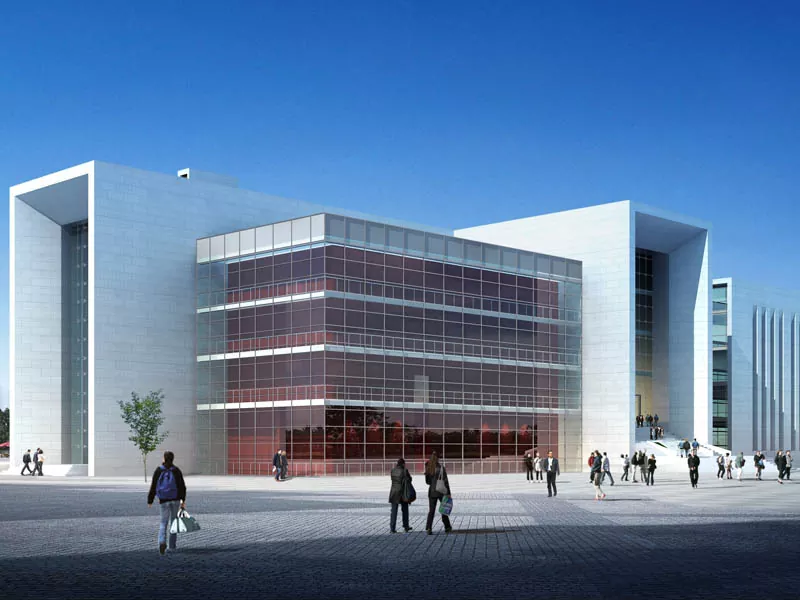
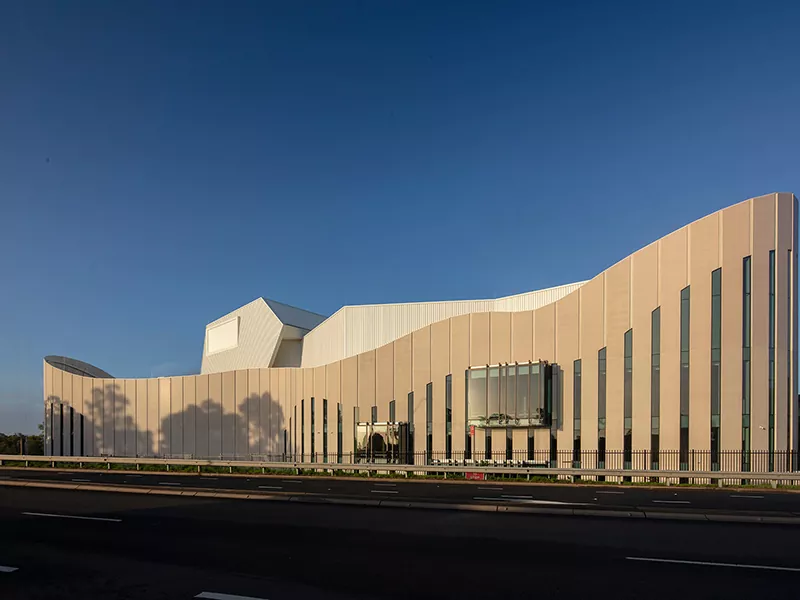
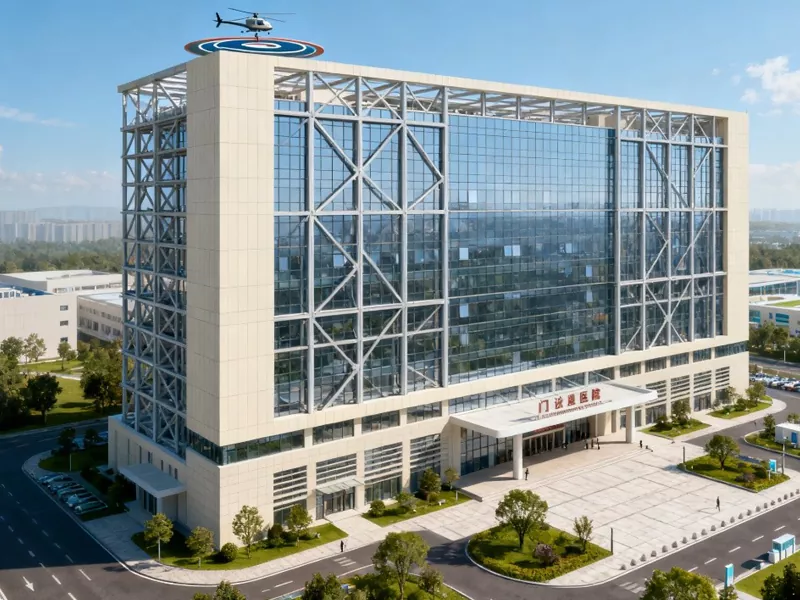
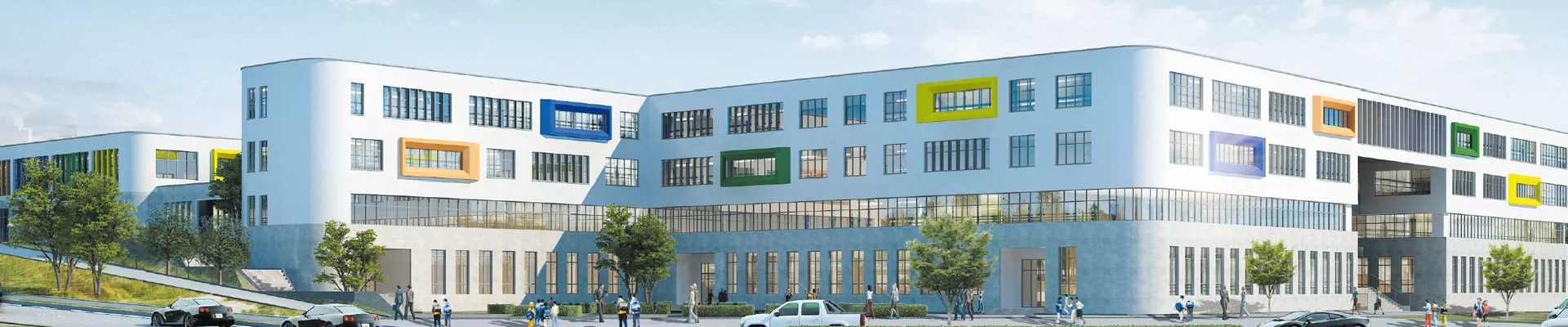
Not at all. Steel is the skeleton, not the skin. Your campus appearance comes from façade materials, window systems, shading devices, and interior finishes. Many education buildings use steel frames while presenting traditional brick or contemporary architectural looks.
How can we build quickly without sacrificing quality?
Speed comes from early coordination and disciplined approvals: lock the grid, confirm MEP routes, align envelope details, and set inspection checkpoints for fabrication and erection. A fast schedule is most reliable when “decisions” don’t drift.
Can we expand later if enrollment grows?
Steel framing often makes future expansion easier—especially if you intentionally plan connection points and structural capacity from day one. Ask your design team to document a simple expansion strategy (where, how, and what needs to be protected today for tomorrow’s build).
What information should we prepare before requesting a proposal?
A strong starting package includes: site location, intended building use, approximate floor area, span needs (gym/auditorium), preferred façade style, climate considerations, and your schedule constraints (academic calendar). The clearer your constraints, the fewer revisions you’ll face later.
Ready to plan a campus building that won’t derail your calendar?
If you’re weighing options for a School Steel Building and want a path that balances safety, speed, comfort, and long-term value, bring your basic requirements and timeline—and we’ll help you turn them into a buildable plan. When you’re ready, contact us to discuss your project goals and get a practical next step.