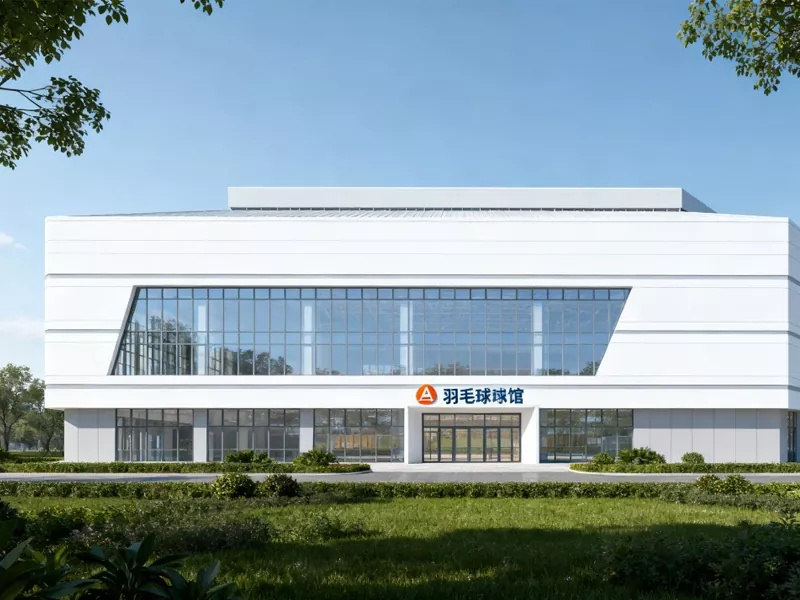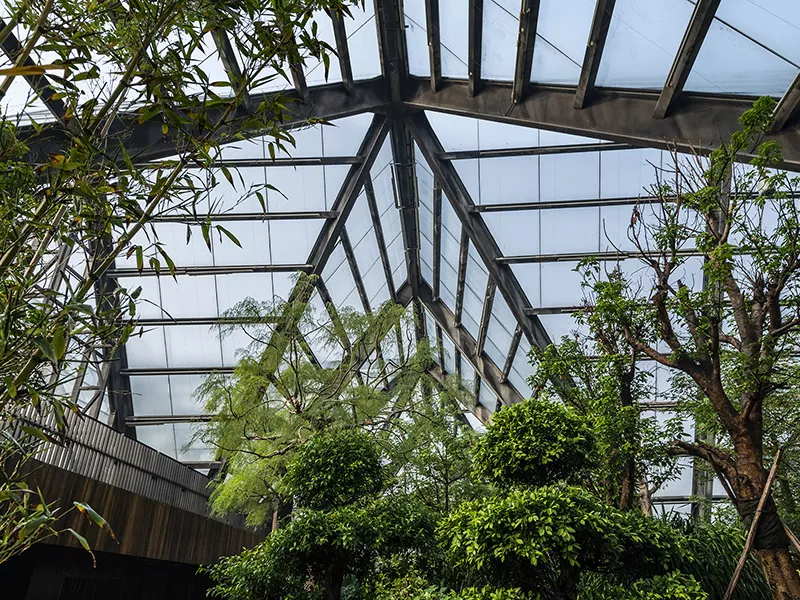
A modern Steel Structure Stadium isn’t just “a big roof on columns.” It’s a construction strategy that helps owners and developers control schedule risk, reduce structural weight, achieve long clear spans, and keep future expansion realistic.
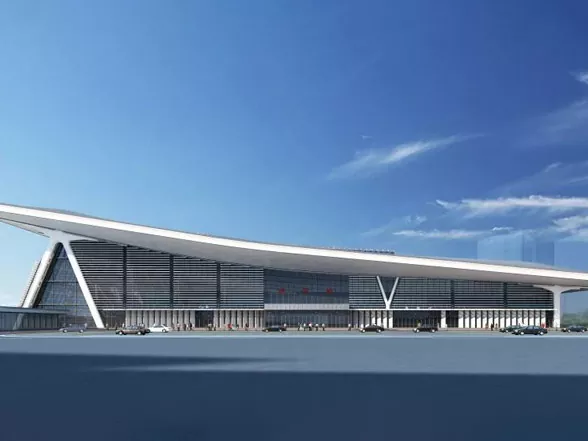
Building a station is rarely “just a building.” It’s a live transportation node that must stay safe, readable, and comfortable while handling heavy crowd loads, vibration, noise, changing weather, and tight handover dates.
If you’re considering a Steel Frame Building, you probably care about three things: keeping the schedule under control, staying inside budget, and avoiding “hidden” headaches like rework, poor insulation performance, or inconsistent quality.
In recent years, the design of broadcasting facilities has rapidly evolved, driven by the need for higher efficiency, advanced acoustic performance, better spatial flexibility, and faster construction timelines. A Steel Structure Broadcasting Building has become one of the most trusted solutions for radio stations, TV studios, digital media hubs, and communication centers that demand architectural precision, durability, and long-term performance. This type of structure supports complex functional zones such as recording studios, equipment rooms, control centers, editing areas, news studios, and large-span broadcasting halls—while maintaining excellent safety and stability.
In contemporary architecture, Steel Museum Buildings have emerged as a preferred solution for institutions seeking durability, flexibility, and aesthetic appeal. Unlike traditional masonry or concrete structures, steel provides unmatched strength-to-weight ratio, allowing architects to create expansive, open interior spaces without obstructive columns.
We use cookies to offer you a better browsing experience, analyze site traffic and personalize content. By using this site, you agree to our use of cookies.
Privacy Policy