

QR Code

Products
Contact Us


Email

Address
No. 568, Yanqing First Class Road, Jimo High-tech Zone, Qingdao City, Shandong Province, China


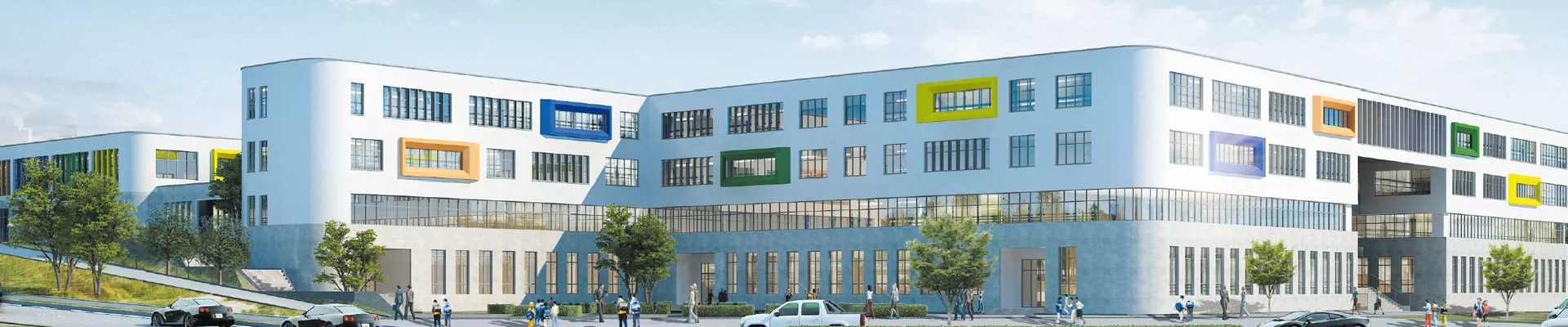
If you’re shopping for a new warehouse, you’re probably balancing the same headaches everyone else is: tight timelines, unpredictable costs, unclear permitting, future expansion, and the fear of ending up with a building that’s too hot, too cold, too noisy, or too expensive to maintain. This guide breaks down what a Steel Structure Warehouse actually solves (and what it doesn’t), how to plan one without wasting money, and what to ask suppliers before you sign anything. You’ll also get practical checklists, a comparison table, and a FAQ to help you make decisions with fewer “surprise” costs later.
Most warehouse projects don’t fail because steel is “bad” or concrete is “good.” They fail because decisions get made too late—after drawings are locked, after permits are underway, or after the factory has started fabrication. A well-planned Steel Structure Warehouse is popular because it reduces schedule risk and makes future change less painful.
That said, a Steel Structure Warehouse is not automatically “cheap” or “maintenance-free.” You still need to plan for corrosion protection, condensation control, insulation choices, and fire strategy. Steel gives you a strong skeleton—performance depends on everything you wrap around it.
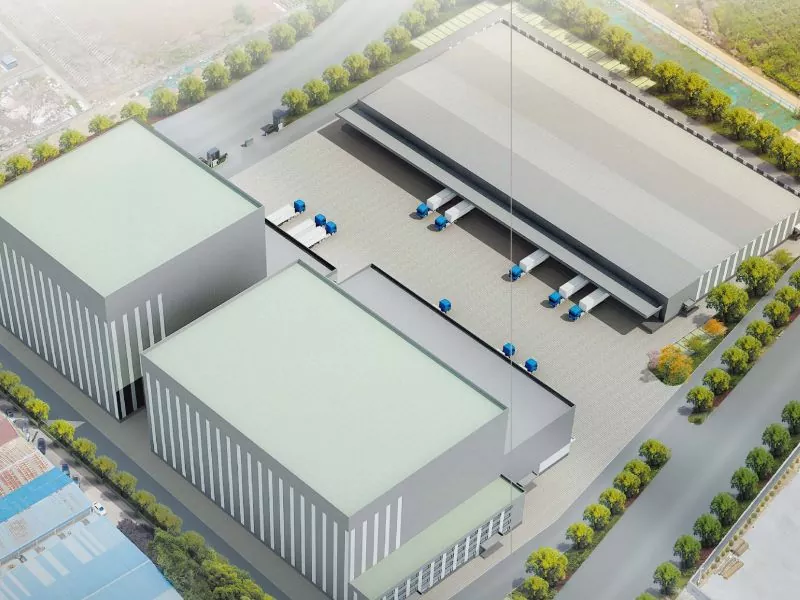
If you’re deciding between steel, reinforced concrete, and pre-cast or mixed systems, focus on how each option behaves under your real constraints: speed, future change, local climate, and operational loads.
| Decision Factor | Steel Structure Warehouse | Reinforced Concrete Warehouse | Masonry / Traditional Mixed |
|---|---|---|---|
| Speed to Enclose | Fast (fabrication + rapid erection) | Medium (curing time, more wet trades) | Slow to medium (labor dependent) |
| Future Expansion | High flexibility (modular bays) | Moderate (heavier structural changes) | Low to moderate (often messy) |
| Long-Span Clear Space | Excellent | Good but heavier and costlier spans | Limited |
| Cost Predictability | Good if scope is stable | Good but schedule can drift | Risky if labor and material fluctuate |
| Climate Control Potential | Excellent with proper envelope design | Good thermal mass, slower swings | Varies widely by construction quality |
Translation: if speed, scalability, and clean internal layout matter most, the Steel Structure Warehouse usually wins—provided you invest in a smart building envelope and drainage/ventilation planning.
Here’s the uncomfortable truth: most cost overruns are not “supplier problems.” They’re decision problems. The best way to protect your budget is to lock a few operational truths early—then design around them.
A good supplier should ask these questions early. If they don’t, you may end up paying for redesigns after you’ve already paid for drawings or even fabrication.
When buyers ask “How much does a Steel Structure Warehouse cost?”, they’re usually hoping for a single number. Realistically, cost is a stack of choices. The good news is: many of the biggest drivers are controllable if you decide early.
| Cost Driver | What Increases Cost | What Keeps Cost in Check |
|---|---|---|
| Span & Clear Height | Longer spans, higher eaves, heavy cranes | Optimize layout and racking to avoid “oversizing” |
| Roof & Wall System | High insulation specs, premium panels, skylights | Match insulation to climate and operating hours |
| Foundations | Poor soil, high water table, heavy loads | Early geotech study + smart drainage plan |
| Openings & Accessories | Many doors, canopies, dock equipment | Standardize sizes, align openings with structure grid |
| Compliance Requirements | Higher wind/seismic zones, fire demands | Confirm code basis before engineering begins |
If you want fewer change orders, insist on a clear “scope boundary” document: what’s included (structure, cladding, doors, gutters, insulation, drawings, erection) and what’s excluded (site work, permits, MEP, fire system, slab—unless stated).
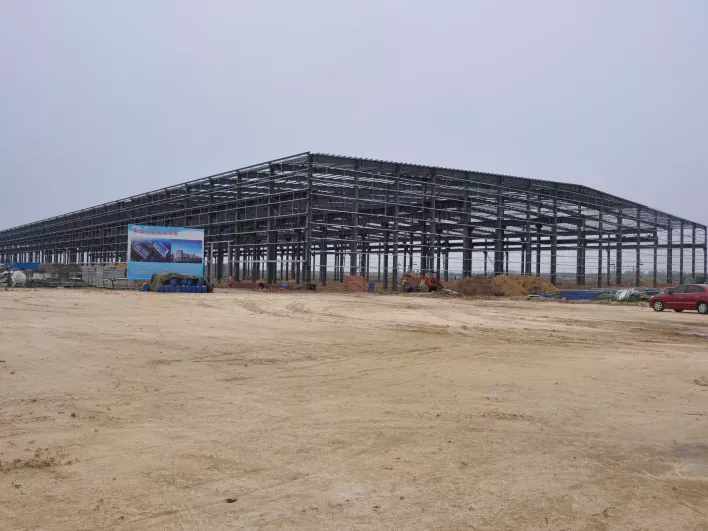
A Steel Structure Warehouse can be comfortable and energy-smart—but it won’t happen by accident. Most complaints (condensation, summer heat, winter drafts, noisy rain) come from envelope shortcuts, not the steel frame itself.
If you store sensitive goods (food packaging, electronics, textiles), treat the building envelope like a product—not a commodity.
You don’t need to be an engineer to avoid quality traps. You just need a clear checklist and the confidence to ask for proof.
This is where an experienced manufacturer can make your life easier. For example, Qingdao Eihe Steel Structure Group Co., Ltd. supports steel warehouse projects with integrated design coordination and fabrication capability—helpful when you want fewer handoffs and clearer accountability between drawings, production, and on-site delivery.
The “secret sauce” is not speed. It’s coordination. A Steel Structure Warehouse becomes smooth when decisions are made early and documented clearly.
Timelines vary by size and site readiness, but steel projects often move quickly once drawings are finalized and foundations are ready. The fastest projects are the ones that avoid midstream changes—lock your layout, dock plan, and envelope requirements early.
Yes, but only if you plan for insulation, ventilation, sealing, and condensation control. Humidity-related issues usually come from poor envelope detailing, not the steel structure.
It can be if you use thin roof sheets without insulation layers. Insulated roof panels, acoustic layers, and smarter assembly choices can significantly reduce rain noise.
Often, yes—especially if you plan the expansion direction, keep one end “open,” and design the structural grid for future bays. Expansion is easiest when it’s planned from day one.
At minimum: target dimensions, clear height, location (for design loads), intended usage (racking/mezzanine/equipment), dock requirements, and any special envelope needs (insulation, temperature control, corrosion environment).
If you want a Steel Structure Warehouse that’s fast to build, easy to expand, and comfortable to operate, the best move is to start with clear requirements and a supplier who can translate them into a buildable plan. Share your size, clear height, location, and usage scenario with Qingdao Eihe Steel Structure Group Co., Ltd., and let’s turn your warehouse goals into a practical, cost-controlled solution—contact us to request a tailored proposal and technical guidance.
No. 568, Yanqing First Class Road, Jimo High-tech Zone, Qingdao City, Shandong Province, China
Teams