




News

Why Are Container Homes a Smart Move for Modern Living?

2026-01-15 0 Leave me a message

Abstract: Container Homes have moved far beyond the “temporary box” stereotype. Today’s best projects combine factory-level precision, modern insulation strategies, and code-aware engineering to deliver fast timelines and predictable budgets. This article breaks down the real pain points buyers face—comfort, permits, moisture control, durability, and total cost—and shows how to evaluate a container home the same way you’d evaluate any serious building: by performance, not hype.


Table of Contents


Outline

  • Define the problems people run into with Container Homes
  • Explain what “good” looks like in design, comfort, and durability
  • Show how to avoid moisture issues and thermal discomfort
  • Cover reinforcement, utilities, and site realities
  • Provide a decision table and a checklist you can use immediately
  • Answer the questions buyers ask right before committing

Common Buyer Pain Points (and What Actually Solves Them)

Most people don’t hesitate because they dislike the idea of Container Homes—they hesitate because they don’t want surprises. The biggest disappointments usually come from projects that focused on appearances and forgot building performance. Here are the pain points that matter, and the solutions that hold up in real life:
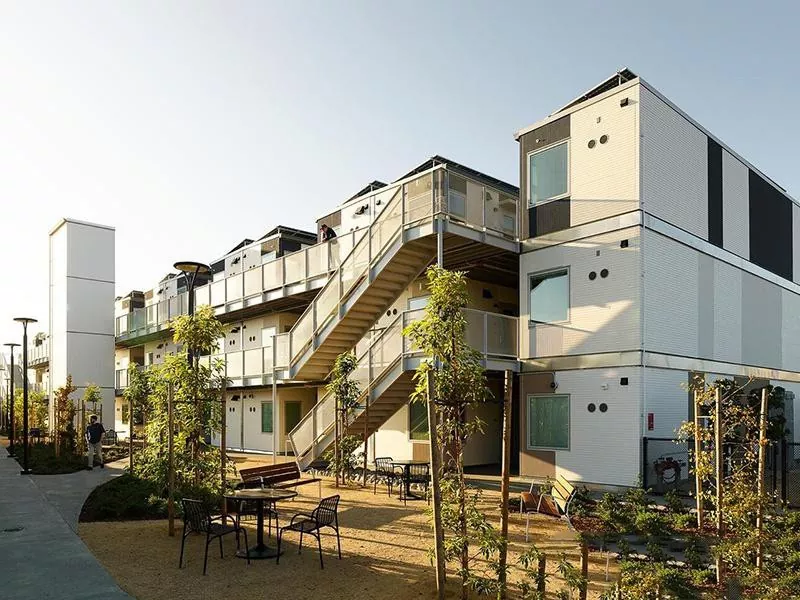
  • “Will it be comfortable in summer and winter?”
    Comfort comes from a complete thermal strategy: insulation type and thickness, airtightness, thermal-bridge control, and correctly sized HVAC. A pretty interior can’t fix a weak envelope.
  • “What about condensation and mold?”
    Steel shells can amplify condensation risk if vapor control and ventilation are ignored. A moisture plan (vapor barrier placement, continuous insulation, ventilation) is non-negotiable.
  • “Are permits going to be a nightmare?”
    Approvals get easier when documentation is professional: engineering drawings, material specs, electrical/plumbing layouts, and a clear foundation plan. “Trust me” rarely passes inspection.
  • “Is it safe after cutting doors and windows?”
    Structural reinforcement is normal and expected—when engineered. The risk is not the container; it’s unplanned cutting without proper framing and load paths.
  • “What is the real price once it’s on my land?”
    Total cost includes transportation, crane placement, foundation, utility hookups, permits, and sometimes local upgrades. A low factory price can still become a high total if the site plan is vague.

What You’re Really Buying When You Buy a Container Home

Container Homes

A container is the starting structure—not the finished product. A livable container home is a complete building system that includes:

  • A reinforced shell where openings are framed properly and corrosion protection is addressed
  • A building envelope (insulation, air sealing, vapor control) designed for your climate
  • Mechanical systems (HVAC + ventilation) that manage temperature and humidity
  • Electrical and plumbing planned for access, maintenance, and inspection
  • Interior finishes chosen for durability, safety, and moisture tolerance
  • Site interface (foundation, tie-downs, drainage, utility connections)

If a seller can’t clearly explain these layers, you’re not buying a home—you’re buying a guess.


Comfort First: Insulation, Noise, and Year-Round Living

Container Homes can be quiet, warm, and stable—if the envelope is designed like a real home. Comfort problems usually come from one of three issues: insufficient insulation, air leaks, or a “one-size-fits-all” HVAC choice.

Key comfort levers you should ask about:

  • Continuous insulation: Reduces hot/cold spots caused by steel framing and thermal bridging.
  • Airtightness: Less draft, fewer odors, better humidity control, and lower energy waste.
  • Sound strategy: Insulation type, decoupled wall layers, and quality windows matter more than wall thickness alone.
  • Window selection and placement: Glazing and shading determine whether the interior feels calm or like a greenhouse.

Quick reality check: If you plan to live in the unit full-time, treat it like a conventional house: plan for climate, daylight, and ventilation from day one.


Moisture & Condensation: The Quiet Deal-Breaker

Condensation is the #1 reason people say a container home “looked great but lived badly.” Steel changes temperature fast. If warm indoor air meets a cold steel surface, water will appear—sometimes inside walls where you won’t see it until it becomes a smell, a stain, or a repair bill.

What a serious moisture plan includes:

  • Correct vapor control placement based on your climate (this is not universal)
  • Ventilation strategy that continuously removes humidity from daily life (cooking, showers, breathing)
  • Thermal-bridge reduction so interior surfaces stay warm enough to avoid dew formation
  • Drainage and site grading so water moves away from the foundation, not toward it

If the plan is simply “we add insulation,” that’s not a moisture strategy—that’s a hope.


Structure & Safety: Cutting, Reinforcement, and Long-Term Durability

Cutting openings is normal in Container Homes. The question is whether it’s done with engineered reinforcement. Large window walls, combined units, and rooftop decks can all be feasible, but they require proper framing so loads transfer safely.

  • Openings: Doors and windows should have headers and framing that restore strength around the cut area.
  • Joined containers: When walls are removed for open layouts, reinforcement becomes critical for stiffness and safety.
  • Corrosion protection: Paint systems, coatings, and inspection points should be defined—not improvised.
  • Transport & lifting: A design that survives trucking and craning is part of durability.

This is where experienced manufacturing matters. Companies like Qingdao Eihe Steel Structure Group Co., Ltd. operate in steel-focused fabrication environments where reinforcement, welding quality, and standardized checks are part of daily work—not an afterthought.


Utilities & Systems: Electrical, Plumbing, HVAC, Ventilation

Utilities are where “looks fine in photos” projects often fail in day-to-day living. Good systems are not only functional—they’re maintainable.

  • Electrical: Clear load planning, safe routing, access panels for future service, and thoughtful outlet placement.
  • Plumbing: Freeze protection if needed, proper slopes, service access, and reliable waterproofing in wet areas.
  • HVAC: Sized to the envelope, not guessed. Oversizing can create humidity issues; undersizing creates discomfort.
  • Ventilation: Kitchens and bathrooms need real exhaust. Whole-home ventilation helps keep air fresh and humidity stable.

Permits, Site Prep, and “Hidden” Costs

A container home isn’t “finished” until it’s legally and physically integrated with its site. Many budget surprises come from items that were never included in a factory quote.

Common cost categories buyers underestimate:

  • Foundation (piers, slab, or other engineered base)
  • Delivery route constraints (tight turns, road limits, seasonal restrictions)
  • Crane and placement time
  • Utility hookups (electric, water, sewage/septic, internet)
  • Permits, drawings, and inspections
  • Site drainage and grading
Cost Item Why It Matters What to Ask Before You Buy
Foundation Stability, anchoring, moisture control, and inspection readiness What foundation type is recommended for my soil and climate?
Transport & Crane A major cost swing based on distance and access What are the dimensions/weight, and what site access is required?
Utilities Turns a “unit” into a functioning home What hookups are included, and what must be done locally?
Permits & Inspections Avoids delays and redesign costs Do you provide drawings/specs that local reviewers typically need?

Timeline and Quality Control: How Factory Work Reduces Risk

People choose Container Homes because time matters: you may need staff housing, a rental unit, a guest suite, an emergency rebuild, or a faster path to ownership. Factory fabrication helps because work happens in controlled conditions with repeatable steps.

  • Weather-independent progress: Fewer delays compared to fully on-site builds.
  • Repeatable quality checks: Better consistency in welding, framing, and finishing.
  • Parallel work streams: Site prep can happen while the unit is being built.

The best outcomes happen when the manufacturer and the local site team coordinate early—especially on foundation, utility entry points, and final placement tolerances.
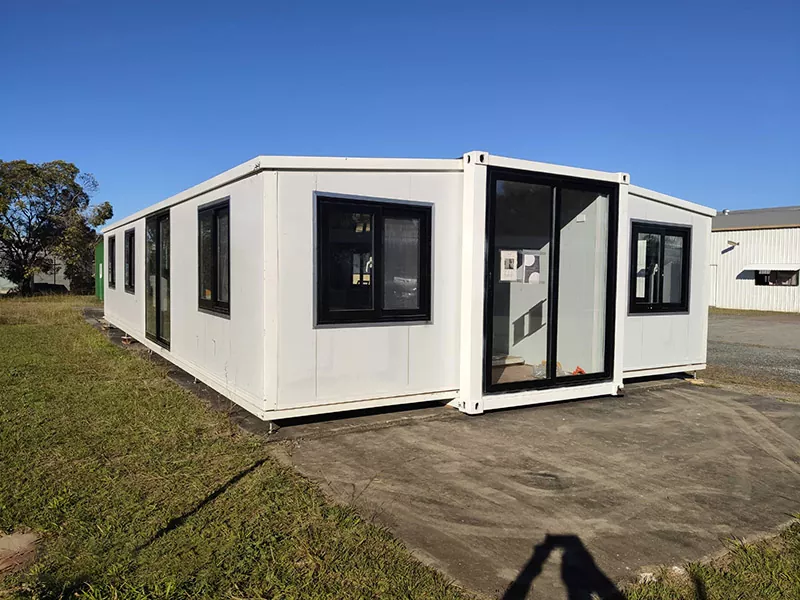

A Practical Buyer’s Checklist

Container Homes

Use this checklist to compare offers quickly and avoid the common traps that cause redesigns, delays, or comfort complaints.

  • Documentation: Do you receive drawings, specs, and system layouts that a reviewer can understand?
  • Envelope clarity: What insulation type/thickness is used, and how are thermal bridges handled?
  • Moisture plan: Where is vapor control placed, and what ventilation is included?
  • Reinforcement: How are large openings framed, and are combined units engineered?
  • Windows/doors: What performance level is offered, and are they appropriate for your climate?
  • Serviceability: Can plumbing/electrical systems be accessed without destroying finishes?
  • Transport readiness: Is the design built to survive shipping and craning without damage?
  • Scope boundaries: What is factory scope vs. site scope, line by line?

FAQ

  • Are Container Homes actually durable long-term?
    Yes—when corrosion protection, proper reinforcement, and a well-designed envelope are included. Durability is less about the container itself and more about coatings, detailing, and how moisture is managed over years.
  • Do Container Homes feel “boxy” inside?
    They can, but they don’t have to. Smart layouts, larger openings (engineered), good lighting design, and interior finishes can create spaces that feel like modern apartments rather than shipping containers.
  • Will a container home be noisy in rain or wind?
    Noise control depends on insulation type, wall/ceiling assemblies, and window quality. With proper acoustic layers and tight installation, interior noise can be very reasonable.
  • How do I avoid condensation problems?
    Demand a real strategy: continuous insulation, correct vapor control placement for your climate, and ongoing ventilation. Also make sure bathrooms and kitchens have effective exhaust.
  • Can I stack or combine multiple containers?
    Often yes, but it should be planned structurally. Combining units (especially removing side walls) requires reinforcement so the building remains stiff and safe.
  • What should I prepare on my land before delivery?
    Foundation, drainage, utility hookups (or stub-outs), and a verified delivery/crane plan. The smoother your site prep, the less time (and cost) you’ll burn on day-of placement.
  • How do I compare quotes fairly?
    Compare scope line-by-line: insulation details, window/door specs, HVAC/ventilation inclusion, reinforcement approach, electrical/plumbing completeness, and what’s excluded for site work.

Next Steps

If you’re considering Container Homes, the smartest move is to treat the decision like any serious building project: evaluate performance, documentation, and total delivered cost—not just interior photos. When you ask the right questions early (comfort, moisture, reinforcement, utilities, and site scope), you protect your budget and your future daily life.

If you want a container home plan that balances speed, comfort, and durable steel fabrication, Qingdao Eihe Steel Structure Group Co., Ltd. can help you explore configurations, features, and delivery-ready solutions—just contact us to discuss your project goals and get a practical proposal that fits your timeline.

Related News
Leave me a message
X
We use cookies to offer you a better browsing experience, analyze site traffic and personalize content. By using this site, you agree to our use of cookies. Privacy Policy
Reject Accept