
QR Code

Products
Contact Us


E-mail

Address
No. 568, Yanqing First Class Road, Jimo High-tech Zone, Qingdao City, Shandong Province, China


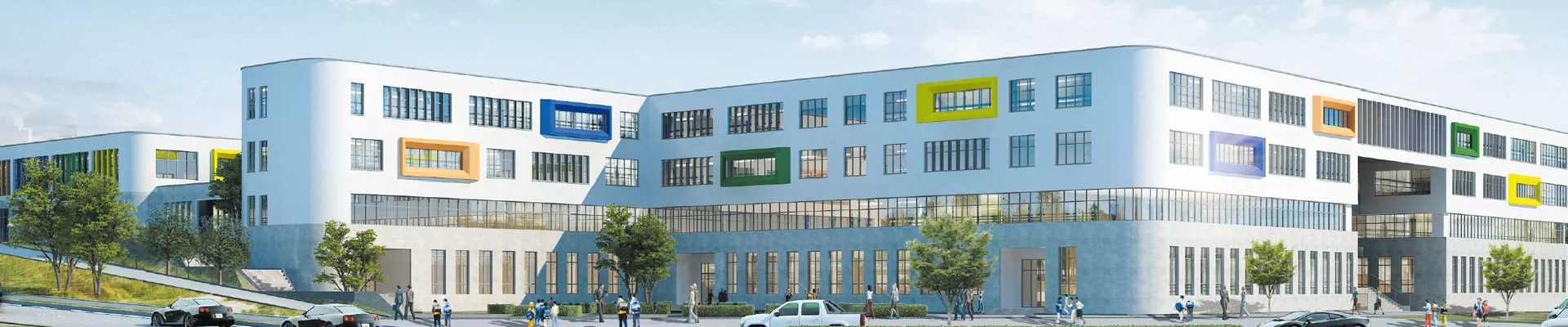
Prefabricated Homes promise faster schedules, cleaner sites, and more predictable quality—but many buyers still worry about hidden costs, permit headaches, shipping surprises, and “what if it doesn’t feel like a real home?” This guide breaks the process into clear, decision-friendly steps: choosing the right prefab format, budgeting beyond the headline price, planning site work, managing logistics, and verifying specifications before you sign. You’ll also get practical checklists, a timeline table, and common failure points (with fixes) so you can avoid expensive rework. Whether you’re building a compact vacation cabin, a family residence, or a multi-unit project, the goal is the same: turn prefabrication into a smooth, controlled experience—without sacrificing comfort, durability, or future resale value.

Prefabricated Homes are residences built partially or mostly off-site, then delivered to your location for assembly. The “prefab” part isn’t a shortcut—it’s a method. Instead of building everything outdoors in changing weather, many components are produced in a controlled environment, then installed on a prepared foundation.
The biggest buyer pain point: confusion. People often compare prefab pricing to traditional construction without matching the same scope. A prefab quote might cover structure and envelope, while your “local build” estimate includes some utilities, interior finishes, or labor packages. The trick is to compare like-for-like.
Think of prefab as three layers:
Not all Prefabricated Homes arrive the same way. Choosing the right format is the fastest way to avoid regret—because the “best” option depends on your site access, timeline, design goals, and tolerance for on-site labor.
Common formats you’ll see:
Quick comparison table:
| Format | Best For | Typical Watchouts | Site Needs |
|---|---|---|---|
| Modular | Fast delivery, predictable quality, fewer on-site trades | Transport size limits; crane planning; design flexibility varies | Good access for trucks and crane setup |
| Panelized | Custom layouts, easier shipping to tighter sites | Requires skilled assembly crew; weather can affect install pace | Moderate access; staging area helps |
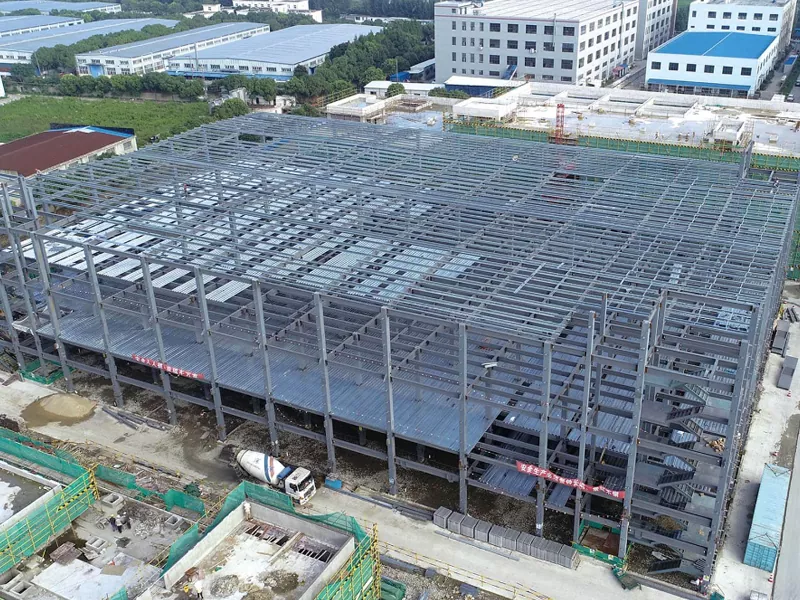
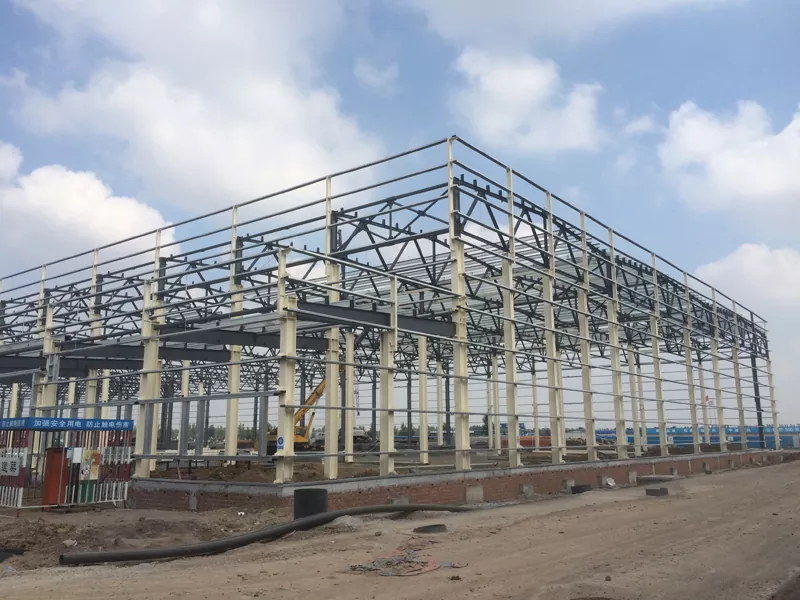
| Steel-frame kit | Durability, long spans, resilient structure, quick framing | Thermal bridging must be handled well; detail work matters | Foundation accuracy is important |
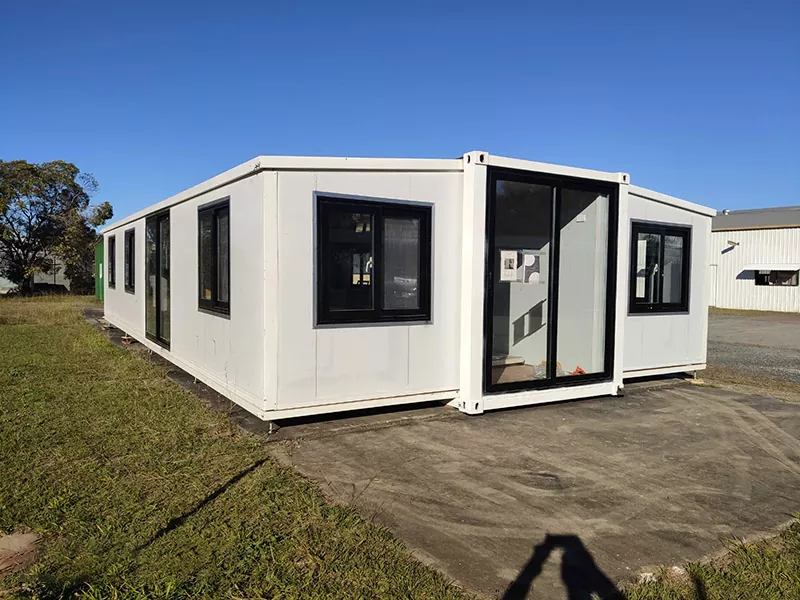
| Container-based | Rapid modules, compact footprints, industrial style | Insulation/condensation details; cutting openings needs proper reinforcement | Truck access and crane/forklift planning |
The #1 frustration with Prefabricated Homes is feeling “bait-and-switched” by pricing. Usually it’s not deception—it’s missing scope. A smart budget separates product cost from project cost.
Common items people forget to budget:
Practical budgeting tip: Ask every supplier for a one-page scope sheet that answers: “What is included, what is optional, and what is excluded?” If that document doesn’t exist, create it with them before you proceed.
Prefabrication can shorten the overall schedule, but only if your on-site work runs in parallel with production. The winning strategy is to treat the project as two synchronized tracks: factory work and site readiness.
Typical project flow (example timeline):
| Phase | Your Main Goal | Supplier/Main Builder Goal | Common Delay Trigger |
|---|---|---|---|
| Design + scope lock | Finalize layout, finishes, and performance targets | Confirm engineering assumptions and package boundaries | Frequent changes after approvals |
| Permits + engineering | Submit complete documents early | Provide drawings/specs in required format | Missing local code details |
| Site prep + foundation | Get a build-ready foundation with accurate anchors | Share anchor plans and tolerance requirements | Soil surprises or weather on concrete days |
| Factory production | Confirm specs and inspection checkpoints | Produce components consistently and label clearly | Late material selections |
| Delivery + assembly | Prepare access route and staging area | Coordinate packing, lifting points, and install sequence | Crane plan not matched to site constraints |
| MEP + finishes | Finish utilities connections and inspections | Support interface details and punch list closure | Trades booked too late |
A prefab house can be fast and still feel premium. Comfort is mostly about details—especially thermal performance, moisture control, and sound.
Decisions that directly affect daily living:
Steel-frame note (important): steel is strong and dimensionally stable, but the envelope must be detailed thoughtfully to control condensation and minimize thermal bridging. When done well, steel-frame Prefabricated Homes can be exceptionally resilient—especially in regions with high winds or seismic concerns.
Most prefab disappointments fall into a few predictable buckets. The good news: prevention is usually simple—if you tackle it early.
1) “The quote was low, then everything added up.”
2) “Permits took forever.”
3) “Delivery day was chaos.”
4) “Things didn’t fit on site.”
5) “It looks good, but comfort is off.”
6) “After-sales support disappeared.”

If you ask the right questions once, you won’t have to fight the same battles later. Use this checklist to protect your budget, schedule, and peace of mind.
If you’re exploring steel-based Prefabricated Homes, Qingdao Eihe Steel Structure Group Co., Ltd. is one of the suppliers buyers consider when they want a factory-produced approach that can support different prefab formats. The most productive way to start is to prepare three items before requesting a quotation:
When you give a supplier clear inputs, you tend to get clearer outputs—fewer assumptions, fewer surprises, and a smoother build.
Q1: Are Prefabricated Homes durable enough for long-term living?
Yes—durability depends on the structural system, envelope detailing, and how well moisture and thermal performance are handled. A well-designed prefab home can perform as well as, or better than, many site-built homes.
Q2: Will a prefab home feel “cheap” compared to a traditional house?
It doesn’t have to. The “feel” comes from finishes, acoustics, insulation continuity, and windows/doors. If those are planned intentionally, prefab can feel solid and comfortable.
Q3: Can Prefabricated Homes be customized?
Most can—especially panelized and many steel-frame approaches. The best results happen when customization is finalized early so production doesn’t get disrupted midstream.
Q4: What’s the biggest reason prefab projects go over budget?
Missing scope. Site work, utilities, permits, delivery equipment, and finish trades can add up quickly if they aren’t included or planned from day one.
Q5: How do I reduce permit delays?
Align your drawings with local requirements upfront, confirm load assumptions, and submit complete documents the first time. A local professional (architect/engineer) can speed up the review process dramatically.
Q6: What site conditions matter most for delivery?
Road width, turning space, overhead obstructions, ground firmness for cranes, and a staging area for components. If access is tight, panelized systems are often easier than large modules.
Q7: Are steel-frame Prefabricated Homes energy efficient?
They can be, but details matter. The envelope should be designed to minimize thermal bridging and manage condensation risk. Ask for clear wall/roof assembly descriptions rather than vague promises.
Q8: What should I request in a quote package?
A scope sheet, drawings list, performance specifications, delivery/installation assumptions, warranty terms, and a timeline that shows how production and site work align.
Prefabricated Homes are at their best when the plan is clear, the scope is defined, and the site is ready before delivery day. If you want a faster path to a well-built home without the usual construction chaos, start with a concrete scope sheet and a realistic full-project budget—then move forward with confidence.
Ready to turn your concept into a buildable plan? Share your layout idea, location, and target timeline, and contact us to get a structured quotation and a practical next-step roadmap.
No. 568, Yanqing First Class Road, Jimo High-tech Zone, Qingdao City, Shandong Province, China
Teams