
QR Code

Products
Contact Us


Email

Address
No. 568, Yanqing First Class Road, Jimo High-tech Zone, Qingdao City, Shandong Province, China


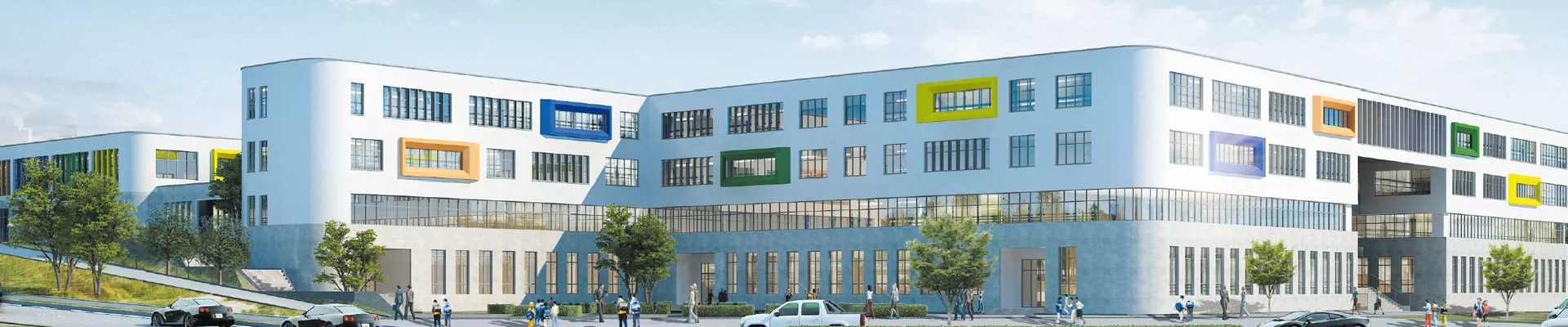
A Steel Structure Exhibition Hall is rarely “just a big box.” Buyers usually need long clear spans, strict opening dates, smooth visitor flow, strong branding façades, and predictable lifetime costs—all while avoiding on-site chaos and change orders. This article breaks down the most common pain points (tight schedules, uncertain costs, code compliance, and future flexibility) and turns them into a practical checklist you can use to plan, build, and operate a Steel Structure Exhibition Hall that looks impressive on day one and stays easy to maintain for years.

When people say they need a Steel Structure Exhibition Hall, what they often mean is: “We need a building that can host high-value events, move people safely, and make our brand look credible—without last-minute surprises.” In real projects, expectations usually include:
A well-designed Steel Structure Exhibition Hall balances engineering, architecture, and operations—so you’re not forced to “fix it later” with expensive retrofits.
Most buyer frustrations come from gaps between what was imagined and what was specified. Here are the issues that repeatedly trigger change orders and schedule slips:
The quickest way to reduce risk is to treat your Steel Structure Exhibition Hall as an operational system, not just a structure. Decisions about roof type, façade, and internal loading areas matter as much as beams and columns.
Steel is a natural match for exhibition buildings because it supports long spans, controlled quality, and modular growth. A Steel Structure Exhibition Hall typically benefits from:
The key is not steel “in general,” but selecting the right structural system, envelope, and detailing for the way your events actually operate.
Visitors rarely notice your beam sizes—but they immediately notice crowded entrances, echoing sound, uncomfortable temperature swings, and confusing circulation. If your Steel Structure Exhibition Hall needs to feel “premium,” focus on these design levers early:
Done right, your building works like a calm machine: visitors flow smoothly, exhibitors load in without panic, and your team isn’t firefighting every event.
The fastest projects are not the ones that “rush construction.” They’re the ones that remove uncertainty early. Here’s a buyer-friendly roadmap for a Steel Structure Exhibition Hall:
Buyers usually ask for a “good price,” but what they truly want is a predictable final cost. For a Steel Structure Exhibition Hall, the biggest cost swings often come from scope ambiguity. The table below shows what typically drives cost—and how to keep control without sacrificing performance:
| Decision Area | What can go wrong | Practical control move |
|---|---|---|
| Span & grid | Late span changes ripple through steel, foundations, and MEP | Freeze the grid early based on booth planning and rigging zones |
| Roof & drainage | Leaks, ponding, and rework after installation | Define slope, gutters, downpipes, and detailing before fabrication starts |
| Façade features | Brand elements add structure and connection complexity | Identify “must-have” signature features vs. optional upgrades |
| Coating/corrosion protection | Short repaint cycles and avoidable maintenance cost | Match coating to local environment and lifecycle expectations |
| MEP integration | Unexpected penetrations and rework on site | Coordinate hang points, ducts, cable trays, and service routes in advance |
Cost control is not only “cutting.” It’s choosing the right specification for your actual use case, then documenting it clearly enough that procurement and construction don’t guess.

A Steel Structure Exhibition Hall can look perfect in renderings and still fail in the field if quality checks are vague. Use this checklist to protect your schedule and reduce disputes:
The partner you choose has a direct impact on how predictable your project becomes. When you work with a supplier such as Qingdao Eihe Steel Structure Group Co., Ltd., a good collaboration typically looks like this:
In short: a strong partner doesn’t just “sell steel.” They help you turn your Steel Structure Exhibition Hall into a predictable, operable asset.
What information should I prepare before requesting a proposal for a Steel Structure Exhibition Hall?
Bring your target opening date, approximate floor area, preferred clear height, booth/layout expectations, loading requirements, and any façade vision. If you already know rigging loads, mezzanine needs, or future expansion plans, share them early to avoid redesign later.
How can I reduce schedule risk without sacrificing quality?
Freeze the structural grid and envelope concept early, then run parallel workflows: permitting, detailed drawings, procurement, and fabrication planning. Quality improves when shop drawings are approved before production starts—not after steel arrives on site.
Why do exhibition halls often feel too hot or too cold?
Large volumes magnify heat gain, heat loss, and stratification. Better insulation, airtight detailing, thoughtful HVAC zoning, and sensible clear height decisions usually deliver comfort more efficiently than “oversizing the system.”
Is a long-span structure always the best choice?
Not automatically. Longer spans can increase structural demands and cost. The “best” span is the one that matches your booth planning and circulation needs while keeping the grid simple, repeatable, and expansion-friendly.
How do I keep the hall flexible for future events?
Prioritize a clean grid, generous service routes, reserved expansion bays, and clear planning for rigging and electrical distribution. Flexibility is mostly designed in early—retrofits are usually expensive and disruptive.
A successful Steel Structure Exhibition Hall is the result of early clarity: define how the hall will operate, lock the structural grid and envelope concept, coordinate interfaces before fabrication, and demand a complete documentation set for handover. When you do that, you reduce surprises, protect your opening date, and create a venue that feels premium to visitors while staying practical for your operations team.
If you’re planning a new Steel Structure Exhibition Hall or upgrading an existing venue, talk to Qingdao Eihe Steel Structure Group Co., Ltd. about your layout, schedule, façade vision, and lifecycle expectations—then let the project be engineered for predictability from the start. Ready to move from concept to a buildable plan? Contact us to discuss your requirements and get a solution tailored to your timeline and site conditions.
No. 568, Yanqing First Class Road, Jimo High-tech Zone, Qingdao City, Shandong Province, China
Teams