QR Code

Products
Contact Us


Email

Address
No. 568, Yanqing First Class Road, Jimo High-tech Zone, Qingdao City, Shandong Province, China


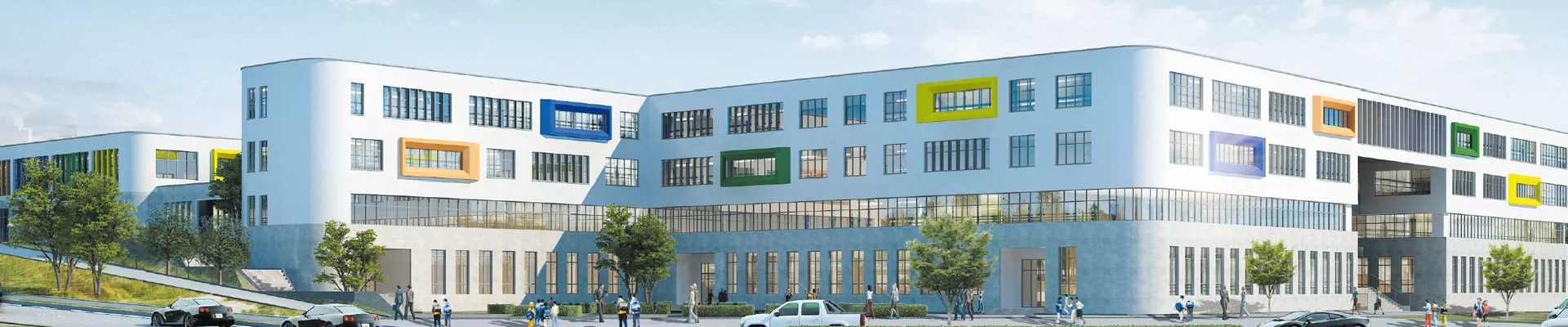
If you’re planning a terminal upgrade, a new concourse, a baggage hall, a hangar, or a covered drop-off zone, you’ve probably discovered one uncomfortable truth: airports don’t have the luxury of “shutting down while we build.” That’s exactly why Airport Steel Structure solutions are so widely used—steel can deliver long spans, rapid prefabrication, and predictable quality control, all while supporting phased construction.
In this guide, I’ll break down what customers usually worry about (schedule risk, live operations, durability, safety approvals, long-span performance, and lifecycle cost), and how to make practical decisions that reduce surprises. If you’re evaluating suppliers and engineering partners, you’ll also find a clear checklist to compare proposals. For project support, Qingdao Eihe Steel Structure Group Co., Ltd. provides manufacturing and project services for steel building systems used in complex facilities.
Airport Steel Structure projects face high-stakes constraints: tight construction windows, strict safety oversight, complex interfaces with MEP systems, and exposure to coastal or industrial environments. This article explains how steel structures help airports expand quickly without sacrificing safety, comfort, or durability. You’ll learn the most common failure points in airport builds, key structural and material considerations, construction strategies for “build-while-operating,” and what documentation to demand so approvals and handover go smoothly. A comparison table and a practical FAQ are included.

Airports are basically “systems of systems”: public spaces, security zones, mechanical rooms, retail, baggage handling, and transportation links all packed into one tightly managed site. Steel performs well here because it balances speed, span capability, and predictability.
In short, a well-planned Airport Steel Structure approach is less about “steel is strong” and more about “steel lets the project team control risk.”
Let’s be honest—most airport projects don’t fail because someone forgot how to calculate a beam. They fail because of coordination and constraints. Here are the pain points that repeatedly show up:
A strong Airport Steel Structure plan confronts these early by locking down interfaces, defining tolerances, and demanding documentation before the first cut.
Airport buildings are not “normal warehouses with nicer finishes.” Terminals and hangars place unique demands on structural performance, comfort, and service integration. When reviewing designs, I focus on the following:
The best Airport Steel Structure designs don’t just “meet code”—they reduce conflict points so the build stays calm even when the schedule isn’t.
A common mistake is treating protective systems as “a finishing detail.” In airports, protection choices are often the difference between a structure that looks good for 5 years and one that stays reliable for decades.
If you want your Airport Steel Structure budget to hold, treat protection as a design discipline—not an afterthought.
Most airport teams aren’t just managing construction—they’re managing construction inside a living organism. These tactics are commonly used to keep momentum without triggering operational chaos:
When a supplier understands these realities, Airport Steel Structure installation becomes a controlled sequence instead of a daily crisis.
Airport stakeholders (owners, consultants, contractors, authorities) often ask for more documentation than standard industrial projects. That’s not “bureaucracy for fun”— it’s how they protect safety and accountability. Here’s what you should demand early:
The practical benefit: when your Airport Steel Structure documentation is complete and consistent, approvals move faster and disputes shrink.
Decision-makers often compare options using only initial cost. That’s understandable—but airports are long-life assets, and downtime is expensive. The table below helps align stakeholders around the broader picture.
| Criterion | Steel Structure (Typical) | Concrete / Hybrid (Typical) |
|---|---|---|
| Speed to Enclose | Fast with prefabrication and bolted erection | Often slower due to formwork, curing, and heavier site operations |
| Long-Span Efficiency | Excellent; fewer columns, adaptable framing systems | Possible, but may require deeper sections or more supports |
| Live-Operations Compatibility | Strong; less wet work, more controlled installation | Can be challenging; more on-site time and disruption potential |
| Maintenance Strategy | Depends on coating/fireproofing choices and detailing | Often robust, but repairs can be slow and disruptive |
| Change Flexibility | High; modifications can be planned with connection logic | Variable; openings and changes may be more invasive |
If your top priority is reducing uncertainty, Airport Steel Structure solutions often win because they allow tighter control over schedule and fabrication quality.

When comparing suppliers, don’t let glossy photos do the talking. Use this checklist to force clarity:
A reliable partner will answer these cleanly. If the answers feel vague, your schedule is about to get very “creative.”
1) What types of airport facilities commonly use steel structures?
Steel is widely used for terminal halls, concourses, canopies, hangars, maintenance buildings, cargo facilities, and large-span roofs where open space is critical.
2) Can steel structures support phased expansion without shutting down operations?
Yes—phasing is one of the main advantages. With smart erection sequencing, off-site fabrication, and clear work zones, steel frames can be installed while the airport stays active.
3) How do I reduce the risk of clashes between structure and MEP systems?
Lock down interface zones early, coordinate hanger loads and routes, and require complete shop-drawing reviews before fabrication. Late MEP changes are a top cause of rework.
4) What should I look for in corrosion protection for coastal airports?
A robust coating system, proper surface preparation, and detailing that avoids water traps. The best coating can still fail if the design encourages moisture retention.
5) Is fire protection always required for airport steel structures?
Requirements vary by occupancy, local rules, and building function. Plan it early because it affects cost, weight, inspection, and long-term maintenance.
6) What documentation helps approvals move faster?
Material traceability, welding procedures and qualifications, inspection/testing plans, dimensional reports, and coating records—delivered in a consistent, organized package.
A successful Airport Steel Structure project is built on disciplined coordination: long-span performance that respects comfort and façade tolerances, protective systems that match the environment, and documentation that removes friction from approvals. If you address those early, steel becomes a powerful way to expand capacity quickly while keeping day-to-day airport operations stable.
If you’re evaluating options for an airport terminal, hangar, or large-span canopy, Qingdao Eihe Steel Structure Group Co., Ltd. can support your planning and fabrication needs—contact us to discuss your drawings, timeline, and the most practical structure strategy for your site.
No. 568, Yanqing First Class Road, Jimo High-tech Zone, Qingdao City, Shandong Province, China
Teams